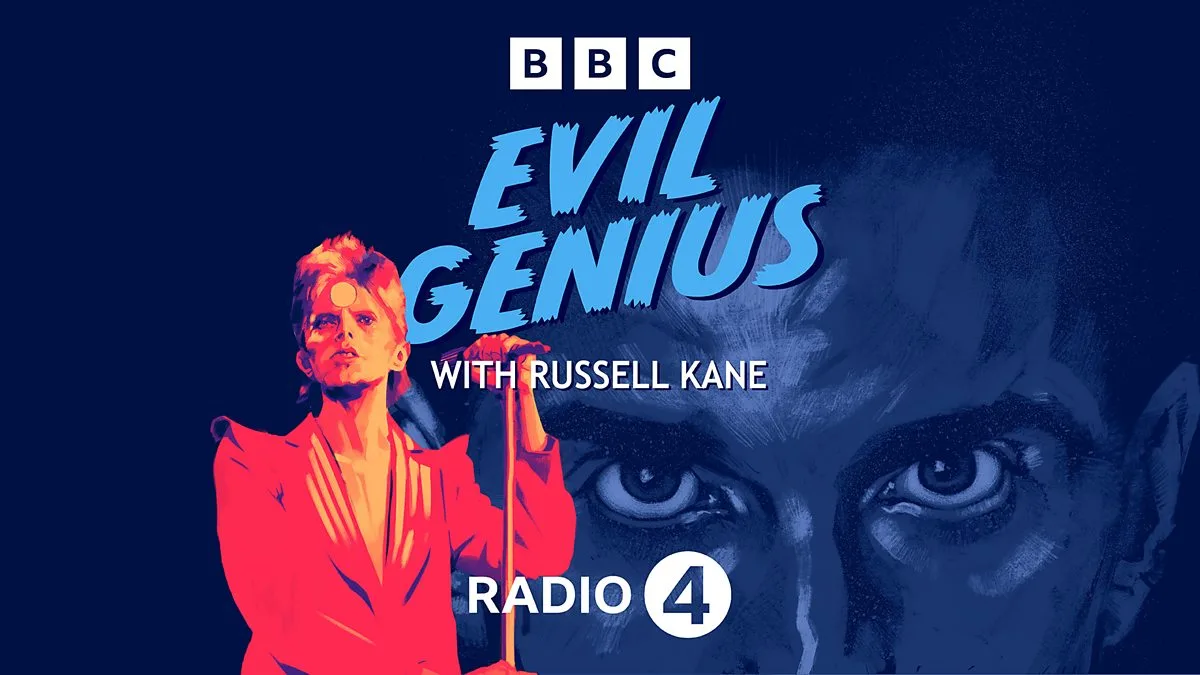
David Bowie, one of the most innovative and acclaimed musical artists of all time, achieved fame with his 1972 album The Rise and Fall of Ziggy Stardust and the Spiders from Mars. His career spanned decades, from influential 1970s albums to 1980s chart-toppers and his final album Blackstar, released just before his death in 2016.
In a 1970s Playboy interview, Bowie controversially claimed that 'Adolf Hitler was one of the first rock stars' and made other comments about fascism. Reports also suggested he was interested in Nazi memorabilia, that his mother supported Oswald Mosley, and that he once gave a Nazi salute, which he denied. His remarks partly led to the formation of the Rock Against Racism movement. Bowie later apologised for the comments.
Bowie's 1972 performance of 'Starman' on Top of the Pops was a landmark moment, featuring his androgynous appearance and arm around guitarist Mick Ronson. This occurred before London's first gay pride march and shortly after male homosexuality was decriminalised. Bowie had stated he was gay in a music press interview, influencing many gay artists. However, he later called his bisexual declaration 'the biggest mistake I ever made', leading some to feel he adopted a gay image for publicity.

Despite his on-stage personas, Bowie was often straightforward off-stage. He told a story of meeting an old man on a beach during the filming of the 'Ashes to Ashes' video, who, unaware of Bowie's identity, called him 'some c*** in a clown suit'.
Lori Mattix claimed she lost her virginity to Bowie at age 14, though she later said her perspective had changed. Bowie never commented on the claim, and evidence is conflicting. The article notes that these aspects of Bowie's life raise uncomfortable questions about separating art from the artist.