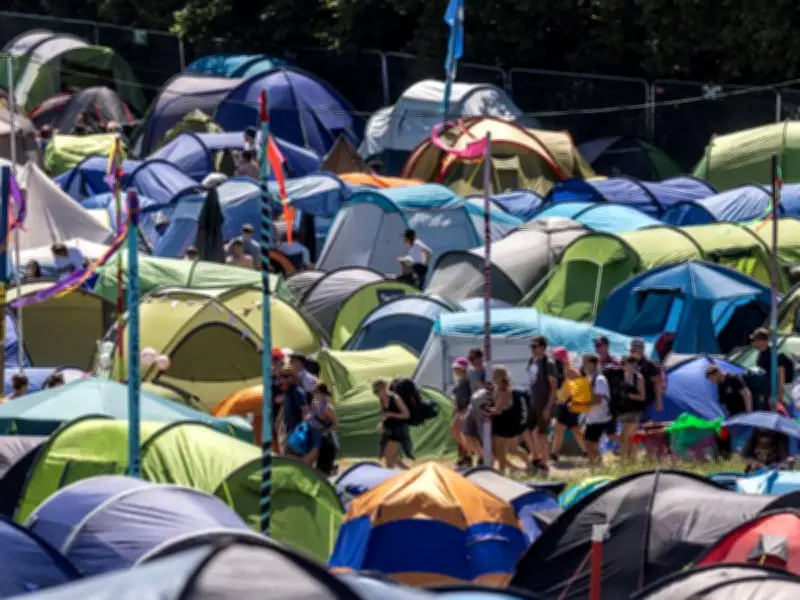
Glastonbury Festival will not take place in 2026 as part of a planned fallow year, a regular break every five years to allow the land at Worthy Farm to recover from the intensive use of the festival. The decision was made to prevent long-term damage to the environment, including soil compaction from tent pegs, foot traffic, stages, and food stalls.
Why Does Glastonbury Have Fallow Years?
Every five years, Glastonbury takes a year off to give the ground a rest. This practice helps avoid irreversible changes to the landscape. Co-organiser Emily Eavis explained: "The fallow year is important because it gives the land a rest, it gives the cows a chance to be out for longer and reclaim their land." The last official fallow year before 2026 was 2018.
Unplanned Fallow Years Due to Covid-19
In addition to the scheduled fallow years, Glastonbury had two unplanned cancellations in 2020 and 2021 due to the Covid-19 pandemic. These effectively acted as additional fallow periods, though they were not part of the regular cycle.

Sustainability at the Core
Emily Eavis emphasised the festival's commitment to sustainability: "Sustainability and the need to live in harmony with the land has always been vital to Glastonbury Festival, and I think it's important because it just gives everybody a little time to just switch off." The fallow year allows the festival team to plan future events while ensuring minimal environmental impact.