Jamelia Reveals Two Awkward Questions She Asks Daughters' Boyfriends
Jamelia's Two Awkward Questions for Daughters' Boyfriends

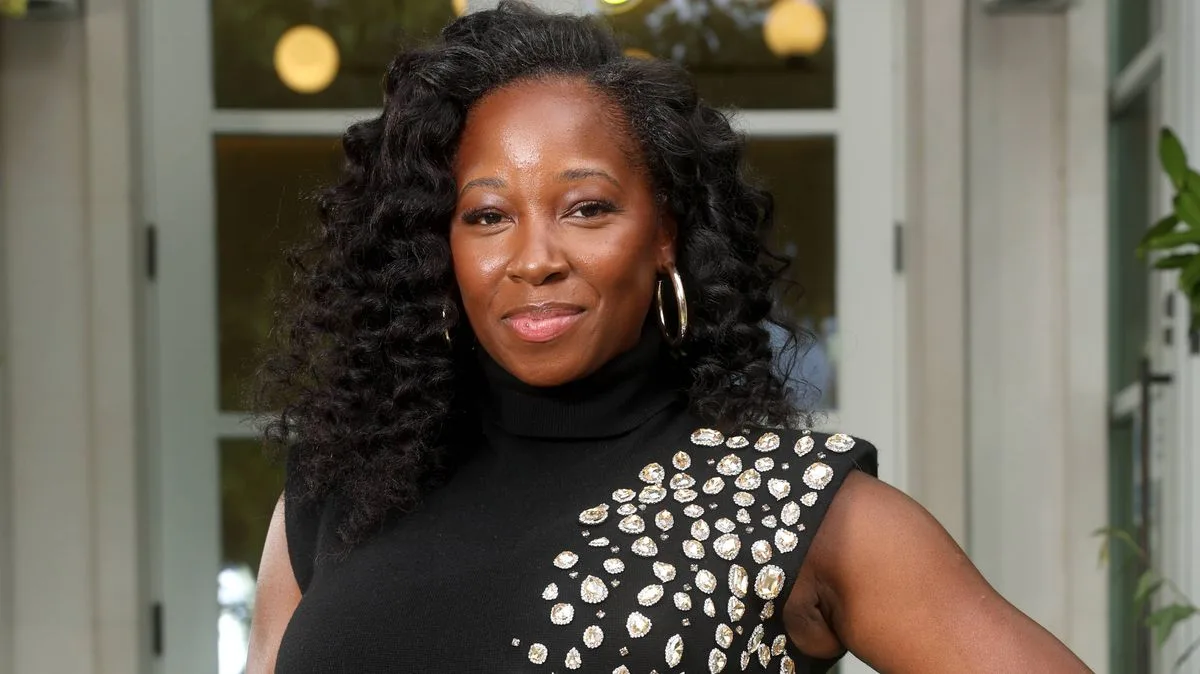
Singer and former Loose Women panellist Jamelia has revealed two awkward questions she poses to all of her daughters' boyfriends once relationships become serious. Jamelia Davis, a British R&B artist who rose to fame in the early 2000s with her chart-topper "Superstar," is known for being outspoken about raising her four daughters: Teja, 24, Tiani, 20, True, 8, and Jream, 3.

Jamelia's Interrogation Technique

Speaking on the BBC Bitesize Parenting Teens podcast, presented by Kerry Godliman alongside psychologist Dr Lucy Foulkes, Jamelia discussed adolescent relationships and broaching intimate conversations with teenagers. She confessed that she "interrogates" her elder daughters' partners by posing two specific questions when relationships become meaningful.

"I have this thing where if you're serious about my daughter, then you come and have a little chat with me. Like a little interview. I don't know if it's an interview, interrogation, in between. It's between the two... and I'm telling you, some of them have not survived because of that. I make sure my daughters are there. And the thing is, it's just a chat," Jamelia said.

Wide Pickt banner — collaborative shopping lists app for Telegram, phone mockup with grocery list

"But I will ask certain questions like, are you thinking about having sex? And you know, have you spoken about contraception. If you're not mature enough then you can't have the conversation. I want my daughters to be able to feel comfortable enough to have these conversations. And so again, I'm modelling it. You will see me make these boys uncomfortable and I don't care."

Social Media and Body Image Concerns

Jamelia also opened up about the effect of social media on her daughters' body image and how she works to guide them through the digital world. "I think that's probably my biggest fear when it comes to social media [body image issues]. I remember even being a teenager, and we would always talk about the magazines and body image and how it affected us. Well, now our girls literally have that type of content in their hands all day, every day. And if you go through reels or TikTok, you can receive conflicting messages about the same thing," she explained.

"So, you know, it's amazing to be skinny, it's amazing to be big. I feel like especially when it comes to children, especially in their formative years, they need to develop their own sense of self before they are informed by society. And I think society is now even bigger than it used to be. Before there were like 4 or 5 magazines that you would refer to, now that it's coming from everywhere everyone's got an opinion."

Jamelia emphasised the importance of real-life conversations: "I make sure that we are having real life conversations, even with my older two, we're like sending memes and we're sending, you know, have you seen this? And then we'll discuss it in real life because it's so important that, especially as the older person, I feel like we're supposed to be that anchor and that safe space. And I see even my older daughter's make fashion decisions or follow different diets. And I know they've got it from social media and I'm like, oh, I wish whoever that was didn't teach them that. I just pay very close attention."

Expert Insight

Dr Lucy Foulkes commented: "I think in some respects there's much more diversity of what we're seeing in terms of what can be acceptable as bodies and appearances. Now on social media, there's a much wider range of beauty being celebrated. It depends what you're looking at, and certainly what you start engaging with is what you get fed more of. But absolutely, what's really important is to teach young people that what they see online isn't necessarily reality."

Pickt after-article banner — collaborative shopping lists app with family illustration