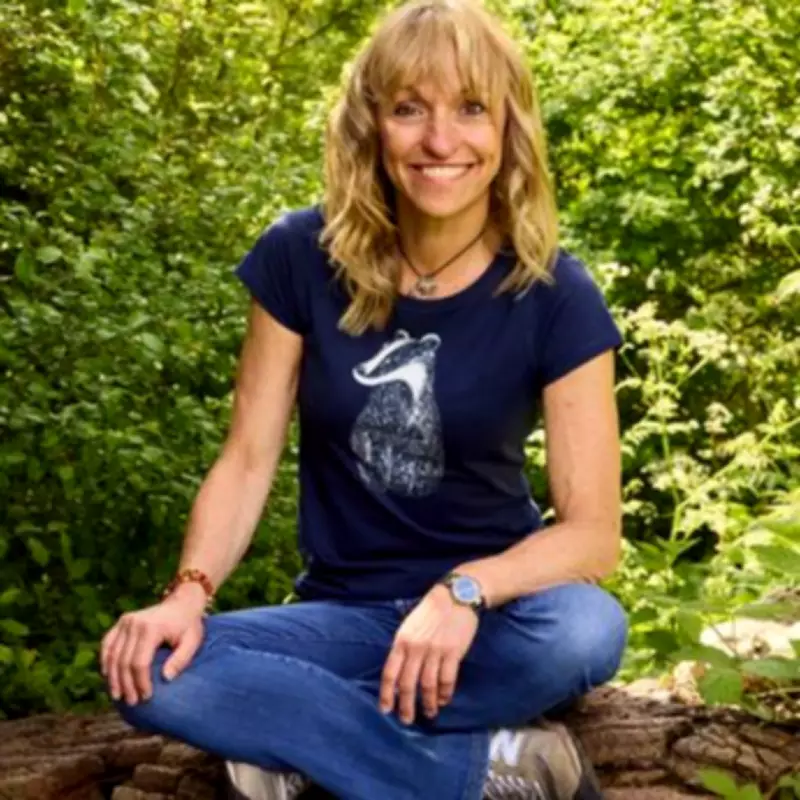
Michaela Strachan has teased an extraordinary cuckoo story set to feature in the new series of Springwatch, after a wildlife filmmaker waited 30 years to capture a cuckoo egg in a reed warbler's nest on camera.
Exclusive: Michaela Strachan on Springwatch's Cuckoo Revelation
The presenter, who returns to the UK for the flagship BBC2 wildlife series, said the footage filmed by Yorkshire-based Robert Fuller is nothing short of extraordinary. Cuckoos are famously brood parasites, laying their eggs in the nests of other birds, but they are notoriously difficult to detect.
In the new series, which begins tonight, Fuller finally captures the moment he has been waiting three decades for: a cuckoo egg in a reed warbler's nest.

Mind-Blowing Behaviour
Michaela explained: "The thing I find mind-blowing is the fact that the cuckoo chick hatches first in the nest, and it knows to kick the other eggs out. You know it's hours old, or a day old and it knows to do that. I find that just incredible."
She added: "The other astonishing thing is that the eggs match those of whatever host bird they've laid in - and they lay in different host birds. How does that happen? We think we're so clever, and yet Mother Nature is way more clever than we are."
Sometimes the hosts manage to rear some of their own brood alongside the much larger cuckoo chick, but in most cases they are left only with the interloper. Because it is so big, it takes all of the parents' energy to keep it fed.
"They end up exhausted by the end of it," Michaela said. "The cuckoo ends up spilling out of the nest. It's huge, four or five times the size of a reed warbler. If those parents have had chicks before, or if they go on to have chicks again, they'll be like, 'wow, this is a different experience!'"
New Location for Springwatch
This series is coming from the new location of The National Trust's Crom Estate in County Fermanagh, Northern Ireland. Located on the shores of Upper Lough Erne, it has ancient woodlands, wetlands, open parkland, and freshwater habitats which should ensure they encounter an impressive variety of species.
After Autumnwatch was canned by bosses a few years ago, Michaela knows to make the most of every moment after the show celebrated its 20th anniversary last year. "We've got the BBC Charter renewal coming up, so who knows what's going to happen," she reasoned. "I mean, I certainly treat every Springwatch as if it could be the last one because that's the way I treat life, you know, make the most of it while it's there because everything changes."
For herself, she has no qualms about having turned 60 last month. "I'm definitely liking it. I think it's one of those ages where you're not trying so hard to be something any more. You think well, I am what I am."
Co-hosts and Locations
Michaela, who lives with her husband and family in South Africa, will be based with co-host Chris Packham at Crom, while third presenter Iolo Williams brings stories from a different UK location each week. Starting at the re-wilding sanctuary of the Knepp Estate in Sussex, he'll then move to London before finishing at East Yorkshire's Bempton Cliffs.
Of being with Chris for the first time since they hosted a very wet Winterwatch from the region earlier this year, she said: "We love working together and we love working in a big team. What's not to love? What I'm keeping my fingers really crossed for is that it doesn't rain every day."
Never Running Out of Stories
She is confident they will never run out of stories to tell because there are so many - including the shocking ones showing predation. "We had the fox and the blackbirds, we had the hedgehog doing in the skylarks, we've had all sorts of snakes eating stuff. There's been some shockers. We had blackbirds and a little owl, just as the chicks were about to fledge, the owl came and took them all. It's quite brutal at times. But I always remind viewers that you mustn't demonise the predator. It's the circle of life, and that's what happens every year - we just don't normally see it."

Even with a three-week run, Michaela says they will never run dry. "We get to week three, and obviously a lot of stuff has either been eaten, or it's fledged, or it didn't work out. We always start to go, 'oh my god, we've got another week - we've got no nests'. But I've learned never to panic, there's always plenty of stuff and we never have enough time to feature them all."
Springwatch is live Monday – Thursday from Monday 25th May to Thursday 11th June 2026 at 8pm on BBC2.