If predictions prove correct and Keir Starmer announces a timetable for an autumn departure from Downing Street, the machinery of government will again gear up for a handover of power – but one that will be, by UK standards, relatively leisurely.
While many democracies build in lengthy transition periods – a defeated or retiring US president serves for nearly three months after their successor has been picked – the UK tends to do things at speed. A losing prime minister will typically leave Downing Street the morning after an election while removal vans of their replacements lurk around the corner.
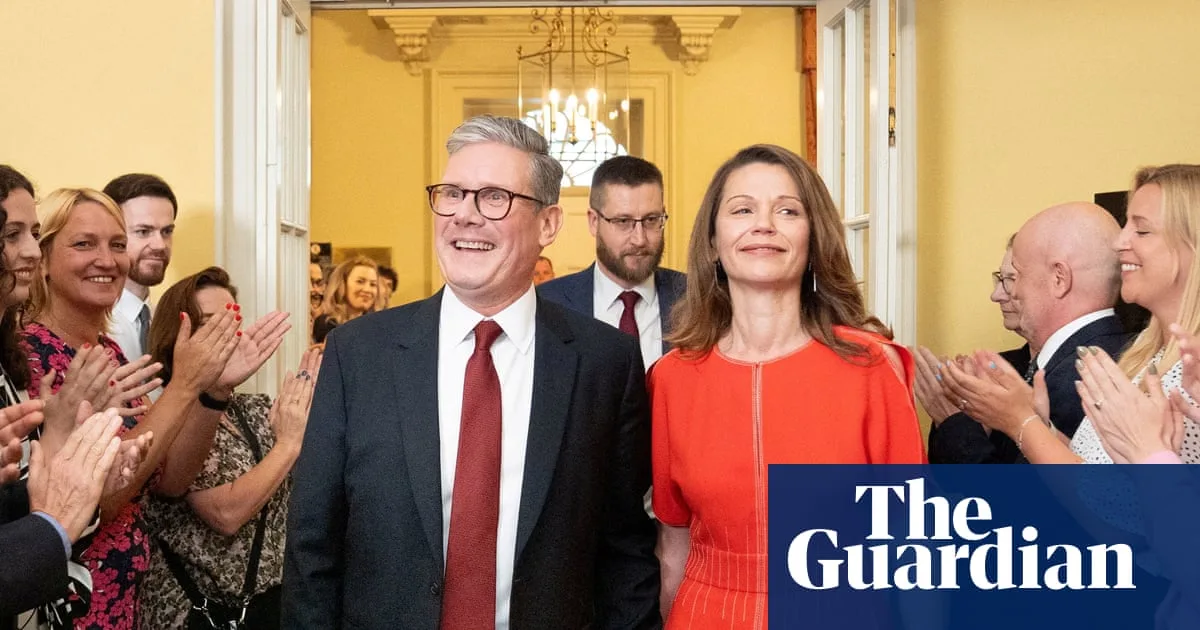
In July 2024, an election-wearied Starmer held his first press conference inside Downing Street, confessing he was still getting lost in the maze of interconnected buildings that made up his new home-meets-workplace. Two years on, he is widely expected to announce a date for his exit, perhaps on Monday. Andy Burnham’s team are understood to have pushed for the PM to stay on until September, a timetable that would allow for two main possible eventualities.

The first scenario – and this is very much Burnham’s wish – would be for the Greater Manchester mayor turned MP for Makerfield to be nominated to become Labour leader by an overwhelming number of his fellow MPs, with either no other challengers or those who did failing to get the necessary support of at least 20% of the parliamentary party, or 81 MPs. This would give ministers and civil servants clarity about a handover process and allow Burnham time to select his governmental team and fix his policy priorities, thus perhaps avoiding the slightly unfocused look of the early Starmer period.
The alternative scenario involves Wes Streeting, the former health secretary, or another challenger getting enough nominations to go against Burnham, an option some Labour MPs would actively prefer, believing that Burnham’s ideas and arguments must be tested properly. A brief initial period would involve any hopefuls showing they had enough parliamentary backers, and also nominations from at least 5% of all local party branches or at least three party-affiliated groups, with a minimum of two being unions. Any who passed this threshold would go to a vote of Labour members, with the timing set by the party’s national executive committee, expected to make it as rapid as possible.
And what of the role of the man still in No 10, in body if not in authority, more a caretaker than CEO? Here, Starmer would face a political half-life a bit like that of Theresa May, who set her own timetable for departure in 2019. Such a prime minister has very obviously limited bandwidth but can still follow personal projects or try to cement a legacy. May used much of her time to put a target for reaching net zero carbon emissions into law, doing so in June 2019, six weeks before she handed over to Boris Johnson. We could expect Starmer to be busy, not just on the international stage – with a Nato summit in July – but trying to finalise a legacy of his own.