St. Patrick's Day, celebrated annually on March 17th, has transformed from a solemn religious observance into a worldwide festival of revelry, often centred around drinking. The origins of this shift are deeply rooted in history, blending myth, migration, and commercialisation.
The Religious and Cultural Beginnings
St. Patrick's Day originated in the 17th century as a feast day honouring St. Patrick, the patron saint of Ireland. St. Patrick is credited with bringing Christianity to Ireland in the 5th century, and his life story is one of resilience and faith. Born in Roman Britain, he was enslaved in Ireland as a teenager, escaped after six years, and later returned as a missionary to evangelise the Irish people. During his mission, he skilfully fused existing Irish cultural practices with Christian teachings, such as using the shamrock to explain the Holy Trinity, which helped embed Christianity into Irish society.
The Influence of St. Patrick's Final Words
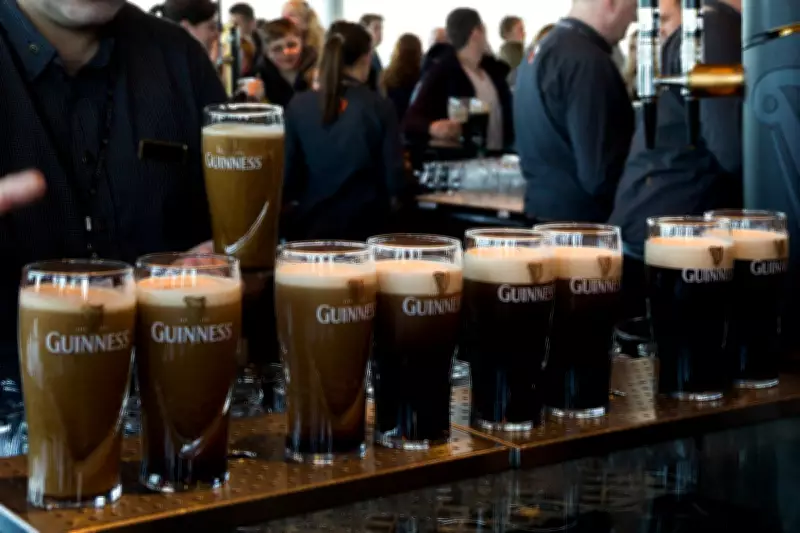
According to popular lore, St. Patrick's deathbed request for a "wee drop of whiskey" may have inadvertently planted the seed for the holiday's modern association with drinking. While this anecdote is more legend than verified fact, it has persisted in folklore, contributing to the perception of St. Patrick's Day as a time for indulgence. In Ireland, the day traditionally involved attending church services and family gatherings, with moderate drinking as part of the festivities, but it was far from the excessive party seen today.

The Role of Irish Emigration
The transformation of St. Patrick's Day into a secular, commercial celebration is largely attributed to Irish emigration, particularly during the 19th-century potato famine. Millions of Irish people fled to America, where they faced discrimination and sought to preserve their cultural identity. Irish-Americans in cities like New York and Boston began organising large parades and public celebrations as a way to assert their heritage and build community. These events gradually shifted the focus from religious observance to public revelry, with drinking becoming a central element as a symbol of Irish pride and solidarity.
Modern Celebrations and Commercialisation
Today, St. Patrick's Day is celebrated globally, but its character varies significantly between Ireland and America. In Ireland, the day retains religious and cultural significance, with parades and events that honour tradition, though it has also embraced commercial aspects to boost tourism. In contrast, in America and many other countries, it has evolved into a largely secular party, marked by widespread drinking, wearing of green, and festive gatherings. Ireland now capitalises on this commercial potential, promoting the holiday as a major tourist attraction, with pubs and businesses benefiting from the influx of visitors eager to experience "Irish" culture.
The evolution of St. Patrick's Day from a religious commemoration to a global drinking festival highlights how cultural practices can adapt over time through migration and commercial influences. While the saint's deathbed words may be apocryphal, they symbolise the enduring link between St. Patrick and the celebratory spirit that defines the modern holiday.