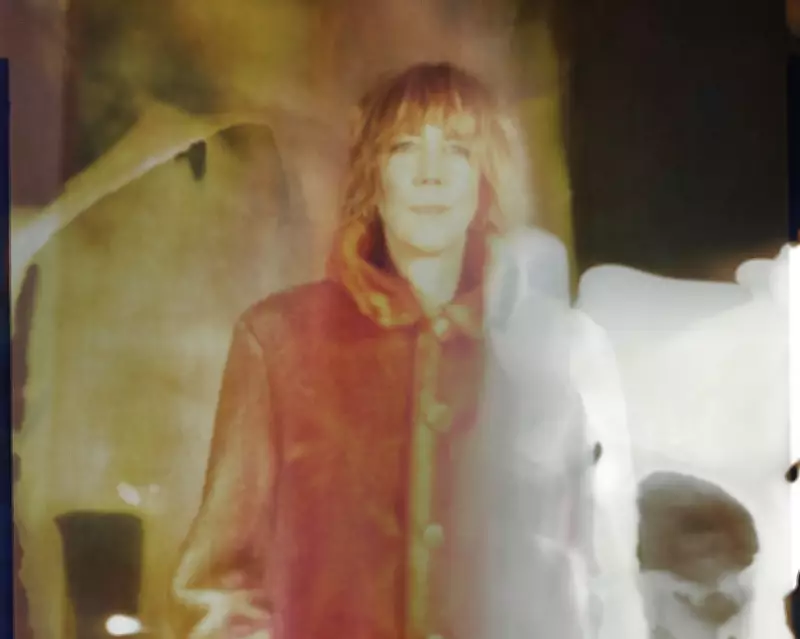
In a thought-provoking interview, singer-songwriter Beth Orton delves into the intersection of artificial intelligence and musical creativity, reflecting on the enduring influence of David Bowie. Orton, known for her folk-electronic sound, expresses cautious optimism about AI's role in music, emphasizing that technology should enhance rather than replace human artistry.
The AI Dilemma in Music
Orton acknowledges that AI can generate melodies and lyrics, but she argues that true creativity stems from human experience and emotion. "AI can mimic patterns, but it cannot replicate the soul of a song," she states. She draws parallels to Bowie's innovative use of technology, noting that he always placed human expression at the core of his work.
Craft and Authenticity
The artist stresses the importance of craft in an era of instant gratification. "There's a difference between creating something meaningful and just producing content," Orton explains. She advocates for a balance where AI serves as a tool for exploration, not a shortcut to authenticity. Her latest album, she reveals, was shaped by live improvisation, a deliberate move away from digital perfection.

Bowie's Legacy
Orton credits Bowie with teaching her to embrace change and risk-taking. "He showed that reinvention is part of the artist's journey," she says. She recalls meeting Bowie early in her career, a moment that reinforced her commitment to artistic integrity. His fearlessness in blending genres and technologies remains a guiding light.
The Future of Music
Looking ahead, Orton envisions a music landscape where AI assists in breaking creative blocks but never dictates the final outcome. She calls for more dialogue between technologists and musicians to ensure that innovation serves the art. "We need to stay curious but grounded," she concludes, urging artists to trust their instincts.
The interview offers a timely reflection on creativity in the digital age, reminding us that at its heart, music is about connection—something no algorithm can replicate.