Blake Lively Condemned for 'Hypocrisy' Following Court Ruling and Instagram Post
Actress Blake Lively has been sharply criticised for what many are calling blatant hypocrisy after she posted a self-pitying message about suffering 'digital violence' online. This comes just one day after a New York judge delivered a significant legal blow by throwing out the majority of her sexual harassment claims against co-star Justin Baldoni. The timing of her emotional Instagram statement has ignited fury among a community of YouTubers and online creators who were previously targeted with aggressive subpoenas by Lively's legal team during the ongoing court battle.
Legal Setback Sparks Social Media Outcry
The recent court decision means the high-profile case will now proceed to trial on May 18, focusing solely on three remaining counts related to an alleged smear campaign by Baldoni's team. However, Lively's subsequent social media activity has shifted attention to her own conduct. In a lengthy statement, Lively wrote about the 'physical pain from digital violence' and described it as a very real form of abuse. She urged followers not to be distracted by what she called the 'digital soap opera' surrounding her lawsuit, framing it instead as a broader issue affecting communities and schools.
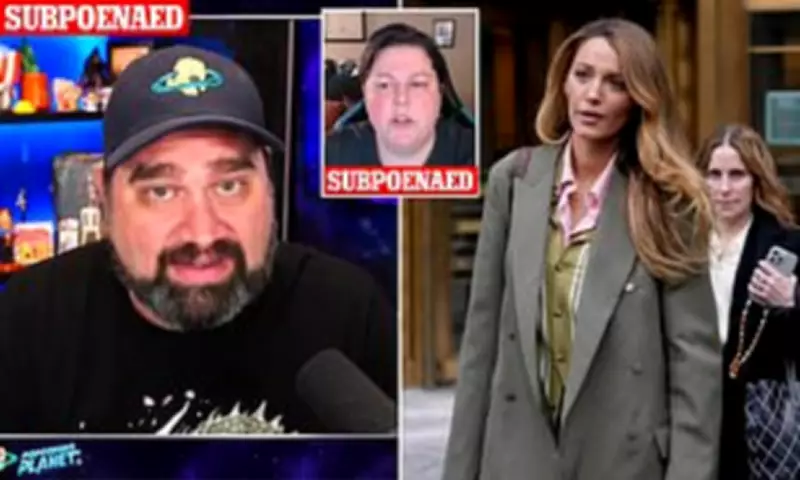
This narrative has been met with fierce backlash from the 107 social media influencers and commentators who found themselves embroiled in the legal dispute last year. Lively's legal team had issued subpoenas demanding access to their private data, including bank details, credit card information, addresses, and phone numbers. Among those reportedly targeted were prominent figures like conservative commentator Candace Owens and celebrity gossip blogger Perez Hilton, as well as smaller creators with only a few hundred followers who lacked the resources to challenge a Hollywood star.

YouTubers Clap Back at Lively's Remarks
Lauren Neidigh, who runs the YouTube channel The Court of Random Opinion with 31,000 followers, was one of those who received a subpoena. She successfully obtained a protective order against Lively, claiming harassment and intimidation. Neidigh, who works helping psychology patients with insurance claims in Florida, described Lively's Instagram post as 'crazy' and 'disingenuous.'
'It's infuriating she has put out this bizarre statement trying to champion herself as an advocate against digital violence and abuse,' Neidigh told the Daily Mail. 'It's as if she didn't terrorize innocent women by threatening their privacy because she didn't like what they said on the internet. She tried to drag a lot of smaller creators into court who couldn't afford to be there.'
Neidigh highlighted the financial strain, noting that some influencers faced legal bills of up to $15,000 to defend themselves, even though most demands were eventually dropped. She recounted her own struggle: 'I had to learn how to file in federal court myself, staying up in the middle of the night because I have to work. Her attorneys withdrew pretty much at the sign of resistance.'
Accusations of Gaslighting and Manipulation
Another prominent critic is Andy Signore, whose Popcorned Planet YouTube channel was hit with three subpoenas from Lively's team. Signore, who has nearly one million subscribers, accused Lively of gaslighting the public. 'It just feels like she's gaslighting everybody. This has always been a battle about her ego, not about anything else in my opinion,' he said. 'To say she hasn't been an orchestrator behind the scenes of her own digital smear campaign is laughable. It's hypocrisy.'
Signore also criticised Lively's references to children and women being at risk from digital manipulation, calling it manipulative in itself. 'She refuses to look in the mirror,' he added, pointing out that TMZ knew about his subpoena before he did, suggesting leaks from Lively's camp.

Court Ruling and Remaining Claims
The legal backdrop to this controversy is complex. Judge Lewis Liman of the Southern District of New York dismissed many of Lively's claims, including those related to unscripted kisses during filming and allegations of fat-shaming. The judge noted that creative artists need space to experiment within an agreed script and that Lively had significant control over the film, which affected her ability to sue under certain laws.
However, in a partial victory for Lively, the judge allowed claims of breach of contract, retaliation, and aiding and abetting retaliation to proceed to trial. Baldoni denies all allegations. Settlement talks held shortly after the ruling failed, though further negotiations may occur.
In response to the judge's decision, Baldoni's lawyers expressed pleasure with the outcome, while Lively's attorney, Sigrid McCawley, emphasised that the case remains focused on retaliation and reputation damage. 'Blake Lively looks forward to testifying at trial,' McCawley stated, underscoring the actress's commitment to pursuing the remaining claims.
As the May trial date approaches, the conflict has escalated beyond the courtroom into a public relations battle, with Lively's portrayal as a victim of digital violence being challenged by those who accuse her of employing similar tactics against critics. The episode highlights the growing tensions between celebrities and online creators in an era where legal actions and social media narratives increasingly intersect.