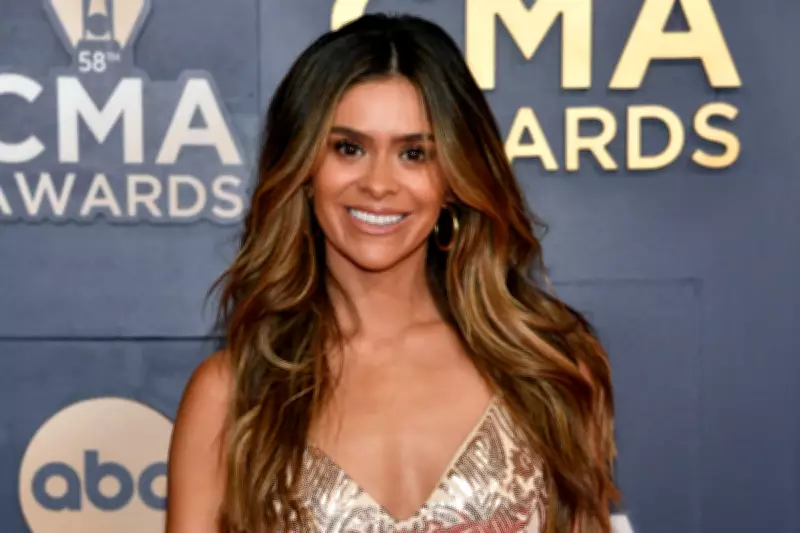
In a dramatic move, ABC has cancelled a fully completed season of its popular reality dating series "The Bachelorette," marking the latest controversy in a franchise with a long and troubled history of scandals. The network pulled the upcoming season starring Taylor Frankie Paul after a 2023 video surfaced showing an altercation with her former partner, where she appears to punch, kick, and throw chairs at him while her young daughter watches and cries.
A Franchise Forced to Confront Its Past
This cancellation stands out as particularly significant because the franchise has typically addressed issues in real time rather than shelving an entire finished season. The decision underscores the mounting pressures facing reality television producers in an era of heightened scrutiny over participant behavior and ethical standards.
How Diversity Debates Transformed the Franchise
For much of its run, "The Bachelor" and "The Bachelorette" faced sustained criticism over their glaring lack of diversity, particularly in leading roles. A 2012 lawsuit alleged systematic exclusion of contestants of color from becoming leads, though the case was eventually dismissed. The criticism persisted for years as the franchise continued to feature predominantly white bachelors and bachelorettes.

Rachel Lindsay broke barriers as the first Black lead in 2017, a milestone achieved only after years of public pressure. Lindsay later emerged as one of the show's most prominent critics, advocating for deeper structural changes in how the franchise approached diversity both on-screen and behind the scenes. ABC eventually cast Matt James as its first Black "Bachelor" in 2020, a move widely viewed as long overdue.
More recently, Jenn Tran became the franchise's first Asian American lead in 2024. The Vietnamese American star described the role as deeply personal in interviews, though her season sparked debate after early criticism that it featured few suitors of Asian descent.
Backlash Follows More Diverse Casting
Even as the franchise expanded its casting, contestants and leads of color have frequently faced significant backlash from segments of the show's audience. Non-white participants—including Lindsay and James—encountered heightened scrutiny and racist commentary online. Tran's season also ignited discussions about how contestants of color have historically received fewer roses and more criticism from viewers.
This response has fueled ongoing questions about whether parts of the audience have evolved at the same pace as the franchise's casting decisions, revealing persistent tensions between representation efforts and viewer reception.
The Host Controversy and Cultural Sensitivity Issues
One of the franchise's most high-profile controversies erupted in 2021 involving longtime host Chris Harrison. Harrison stepped down from his role mid-season after defending contestant Rachael Kirkconnell in an interview as criticism grew over photos showing her at an antebellum plantation-themed event and dressed in a Native American costume. Harrison later apologized, stating, "By excusing historical racism, I defended it."
Former contestants Tayshia Adams and Kaitlyn Bristowe hosted the remainder of that season of "The Bachelor"—which Kirkconnell went on to win—and the 2021 season of "The Bachelorette" until Jesse Palmer was named the franchise's new permanent host later that year. ABC said at the time it was committed to improving representation among its production teams.
Moments within the show itself have also drawn criticism. A 2019 episode set in Singapore faced backlash after contestants mocked local cuisine, with critics saying the segment reflected a profound lack of cultural awareness and sensitivity.
How Controversy Has Continued to Evolve
Earlier controversies included inflammatory comments from former "Bachelor" Juan Pablo Galavis. In 2014, Galavis said he did not believe a gay or bisexual man should lead the show and described gay people as "more pervert, in a sense" in an interview. The remarks drew widespread criticism and prompted an apology, with Galavis later citing a language barrier.

This episode remains one of the franchise's most discussed early scandals involving a lead, highlighting long-standing questions about inclusion within the series. The cancellation of Taylor Frankie Paul's season represents just the latest chapter in a franchise that continues to navigate complex issues of representation, behavior, and cultural awareness in the public spotlight.