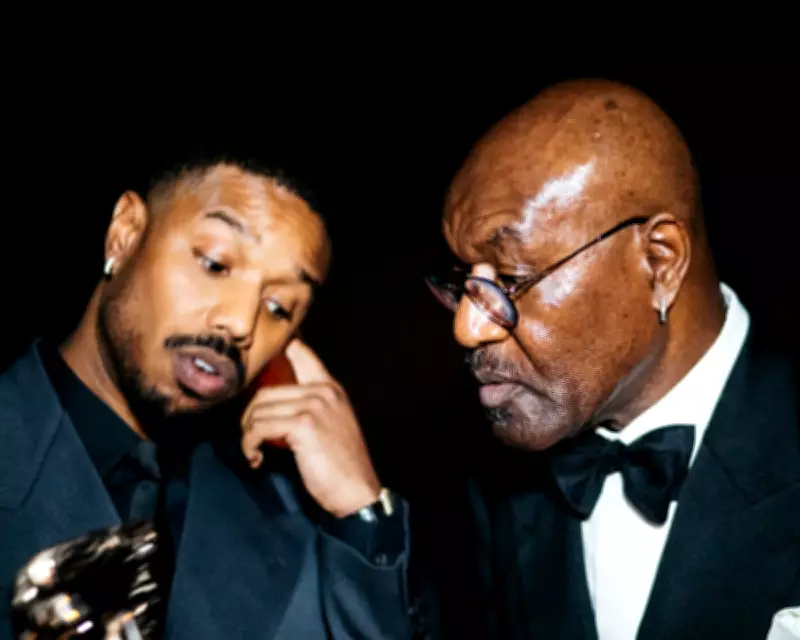
Bafta N-Word Controversy Continues as BBC Faces Scrutiny Over Broadcast Handling
The dust has far from settled on the explosive N-word row that erupted during Sunday's Bafta film awards ceremony, with new revelations deepening the controversy. The incident, which saw John Davidson involuntarily shout racial abuse at acclaimed actors Delroy Lindo and Michael B Jordan backstage, has exposed significant failures in both event management and broadcast protocols.
Competing Sensitivities and Broadcast Missteps
What began as an evening celebrating cinematic achievement quickly transformed into a case study of competing sensitivities and institutional misjudgments. John Davidson, subject of the film I Swear which explores Tourette syndrome, attended the ceremony as a guest. Davidson is widely recognized for his public education work regarding TS, a neurological condition characterized by involuntary tics and outbursts.
To his profound dismay, Davidson shouted the N-word at Lindo and Jordan during the event. The BBC subsequently made what many are calling a calamitous decision not to bleep out the offensive language during broadcast. Producers have claimed they "didn't hear" the slur, reportedly mistaking it for "working in a truck" - an explanation that has drawn widespread criticism.

Institutional Responses and the Problem of 'If' Apologies
This incident has triggered two distinct sets of alarm bells regarding how institutions handle such sensitive situations. Bafta has issued what many consider a second inadequate apology, while the BBC's selective editing has raised serious questions about editorial priorities. Notably, the broadcaster cut the phrase "Free Palestine" from director Akinola Davies Jr's speech, suggesting Palestinian issues were deemed inadmissible while Tourette syndrome-related content was not.
Equally troubling has been the language of apology employed by the organizations involved. From the stage came the dreaded phrase: "We apologise if you are offended tonight." Such conditional apologies - using words like "if" and "anyone who was offended" - have been criticized as dismissive and implying that those upset are being hysterical rather than legitimately hurt.
The Performers' Grace Under Pressure and Unresolved Questions
Delroy Lindo and Michael B Jordan displayed what observers have described as impeccable grace and good-natured professionalism throughout the ordeal. However, as commentator Peter Bradshaw notes, they are entitled to feel they should have been protected from racial abuse, just as Davidson is entitled to have his TS understood and accommodated.
The thorny philosophical question at the heart of this controversy concerns intentionality: how important is it that the speaker didn't "mean" the words? As Bradshaw analogizes, if someone had a neurological condition causing their arms to move suddenly and involuntarily hit someone, it would still cause pain regardless of intent.
Broader Implications and Cultural Vigilance
This incident has exposed deeper cultural tensions, particularly regarding how different forms of discrimination and disability are weighed against each other. Some American commentators have expressed concern that the history of Black American experience is being regarded as glibly equivalent to Tourette syndrome in this context.
What could have been done differently? Davidson himself made the decision to leave the event, but perhaps there should have been more thorough advance conversations about risk assessment and accommodation strategies. The BBC unquestionably should have edited out the offensive language before broadcast.
As presenter Alan Cumming correctly noted during the ceremony, what's needed is a "respectful space for everyone." The price for maintaining that cultural peace, as this incident demonstrates, is eternal vigilance and more thoughtful institutional responses that move beyond formulaic apologies to genuine accountability and protection for all involved.