MAFS Coercive Control Controversy Sparks Government Response
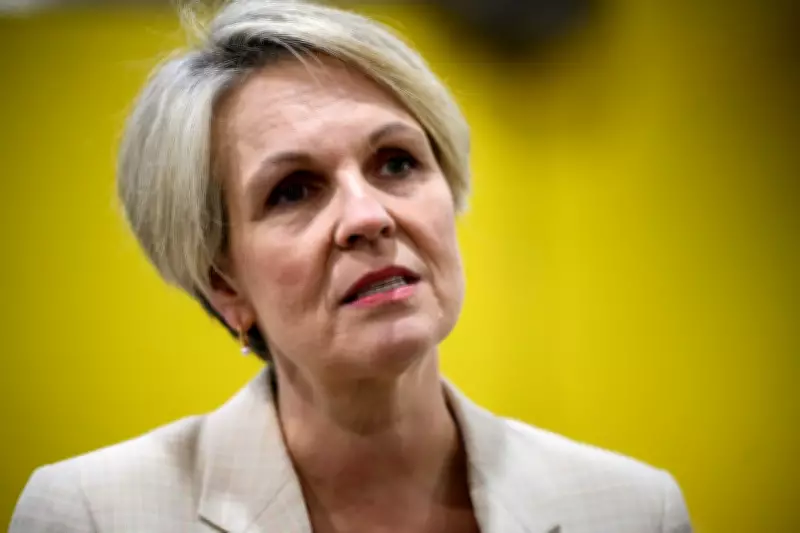
The popular Australian reality television show Married at First Sight (MAFS) has found itself at the centre of a significant public debate over coercive control, prompting direct intervention from a senior government figure. Tanya Plibersek, the Minister for Social Services, has publicly addressed concerns regarding the portrayal of relationships on the program, emphasising the serious implications for domestic violence awareness.
Plibersek's Call for Media Responsibility
In a statement released earlier this week, Plibersek highlighted the potential harm caused by normalising coercive behaviours on television. She stressed that media platforms, including reality TV, have a responsibility to depict relationships in a way that does not trivialise or glamorise controlling actions. Coercive control, which involves patterns of domination, isolation, and manipulation, is a recognised form of domestic abuse that can lead to severe psychological and physical consequences.
Plibersek's comments come amid growing viewer complaints and advocacy group campaigns targeting MAFS for allegedly showcasing toxic dynamics without adequate context or warnings. The minister urged broadcasters to implement stricter guidelines and provide resources for viewers affected by such content, reinforcing the need for educational segments or disclaimers during broadcasts.

Impact on Domestic Violence Awareness
This controversy has reignited discussions about the role of entertainment media in shaping public perceptions of domestic violence. Experts argue that shows like MAFS, which attract millions of viewers, can inadvertently perpetuate harmful stereotypes or minimise the seriousness of abusive behaviours if not handled carefully. Plibersek pointed out that increased awareness and education are crucial, especially as Australia continues to address high rates of domestic violence.
She commended efforts by some networks to partner with domestic violence organisations but called for more consistent and proactive measures across the industry. The minister also highlighted government initiatives aimed at supporting victims and preventing abuse, noting that media representation plays a key part in these broader societal efforts.
Broader Implications for Reality TV
The MAFS scandal underscores a larger trend in the reality TV genre, where dramatic and often contentious interactions are frequently amplified for ratings. Critics contend that this approach can blur the lines between entertainment and real-world issues, potentially desensitising audiences to serious matters like coercive control. Plibersek's intervention signals a push for greater accountability, suggesting that regulatory bodies might consider tighter oversight in the future.
As the debate unfolds, stakeholders including broadcasters, producers, and advocacy groups are expected to engage in further dialogue. The outcome could influence not only MAFS but also other reality programs, prompting a reevaluation of content standards to better align with social responsibility goals.