The Virgin Queen's Fateful Decision: How a Murder Scandal Shaped History
In the concluding instalment of their acclaimed Elizabeth I podcast miniseries, titled Queens, Kings and Dastardly Things, distinguished hosts Robert Hardman and Professor Kate Williams meticulously dissect the compelling reasons behind the Virgin Queen's unprecedented choice to remain unmarried throughout her remarkable 44-year reign. When Elizabeth ascended to the English throne at the youthful age of 25 in 1558, she instantly transformed into Europe's most eligible royal figure, bearing the immense weight of Tudor succession upon her shoulders.
The Paramount Importance of Royal Heirs
As the sole surviving heir of the illustrious Tudor dynasty, it was considered absolutely critical for the stability of the kingdom that Elizabeth produce legitimate children to secure the line of succession and prevent the looming threat of catastrophic civil war following her eventual death. Despite receiving numerous prestigious marriage proposals from some of the Continent's most powerful monarchs and noblemen, Elizabeth deliberately chose to rule autonomously during her prime childbearing years, a decision that would ultimately seal the dynasty's fate.
The Legal Constraints Facing a Queen Regnant
Her momentous decision was fundamentally influenced by the restrictive matrimonial laws of the period, which legally designated wives as the property of their husbands. Elizabeth possessed acute political awareness that marrying a foreign suitor of appropriate royal status could grant that nobleman a legitimate claim to the English crown, thereby undermining her sovereign authority. However, one particular suitor emerged whose comparatively low birth presented no such dangerous dilemma for the Queen's independent rule.

Robert Dudley: The Childhood Friend Turned Court Favorite
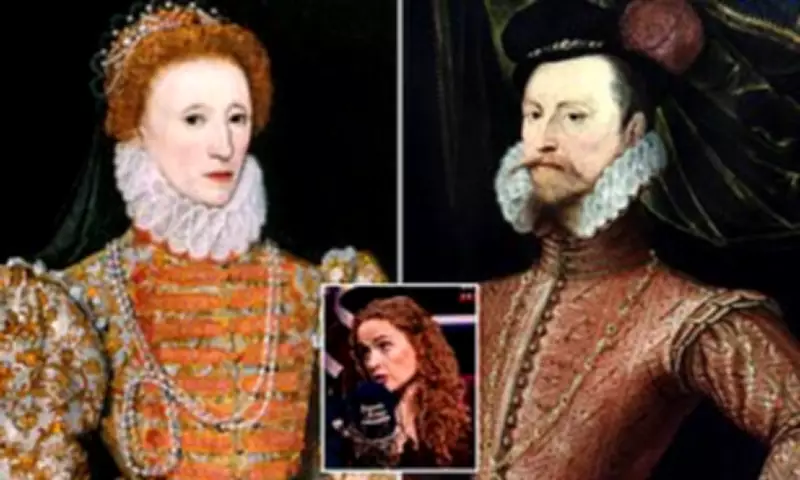
The Queen was widely rumoured to harbour deep affection for her Master of Horse, Robert Dudley, with whom she shared a profound childhood bond. Both Elizabeth and Dudley had endured the traumatic experience of imprisonment within the Tower of London as children of parents executed for treason, forging an intimate connection. Although Dudley was already married to Amy Robsart, who was gravely ill with breast cancer, persistent court whispers suggested he intended to marry Elizabeth following his wife's anticipated death.
The Mysterious Murder That Changed Everything
The podcast meticulously explores how the shocking and unresolved murder of Amy Robsart completely destroyed any potential royal marriage between Elizabeth and Dudley, effectively dooming the Queen to die childless and precipitating the dramatic conclusion of the legendary Tudor dynasty. While Dudley was occupied entertaining the Queen during her lavish 27th birthday celebrations at Windsor Castle, a sinister plot unfolded that would permanently eliminate him from matrimonial contention.
A Suspicious Death and Its Catastrophic Consequences
Robsart, Dudley's ailing wife, was discovered dead by their servants at the bottom of a short flight of stairs, her neck broken, while her husband was absent. Professor Kate Williams elucidates why the manner of her death proved catastrophic to Dudley's social standing and political prospects, despite Robsart's existing terminal illness. People started to allege that Dudley commissioned someone to murder her, removing Robsart as an obstacle because he desperately desired to marry Elizabeth, the historian revealed, noting the proliferation of conspiratorial theories.
Political Machinations and Foreign Intrigue
Although Dudley seemingly offered a viable solution to Elizabeth's complex marriage quandary, her senior advisors vehemently opposed him as a potential match. Each counsellor promoted their own preferred candidates and perceived the wildcard option of Dudley as a direct menace to their personal influence and power. Elizabeth's formidable Secretary of State, William Cecil, even threatened resignation if she proceeded with the union, while the Queen's beloved governess, Kat Ashley, similarly disapproved.

Williams speculates that foreign ambassadors, potentially including Philip of Spain, who possessed ample motivation to eliminate Amy Robsart, might have orchestrated the murder to frame Dudley and sabotage his prospects. Regardless of the true perpetrator, the enduring scandal ensured Dudley could never marry Elizabeth, with that indelible taint perpetually overshadowing his reputation and effectively removing him from the royal marriage picture entirely.
The Lonely Reign and Tudor Demise
With Dudley definitively eliminated from contention, Elizabeth subsequently received 26 additional marriage proposals from Europe's most powerful men, yet none would ever approach the genuine possibility represented by Dudley. She ultimately died in 1603 at the age of 69, childless and unmarried, and with her passing vanished the entire Tudor dynasty, marking a profound historical turning point shaped by personal affection, political calculation, and unresolved murder.