Prince William's Distinct Approach to Faith and Future Royal Duties
Prince William has recently moved to reaffirm his steadfast commitment to the Church of England, despite not being a regular churchgoer like his father, King Charles, or his late grandmother, Queen Elizabeth II. This development comes as the future monarch prepares for his eventual role as Supreme Governor of the Church, a position that carries the historic title of 'Defender of the Faith'.
A Different Path from Royal Predecessors
Unlike King Charles, who has frequently spoken about his spiritual beliefs, or Queen Elizabeth II, whose deep Christian faith was well-documented throughout her reign, Prince William has maintained a more private approach to matters of faith. He has not publicly discussed his personal beliefs with the same frequency or depth as his immediate predecessors, creating what some observers describe as a quieter commitment to the established church.
This distinction became particularly notable ahead of William's attendance at the enthronement of the new Archbishop of Canterbury, Dame Sarah Mullally, earlier this week. According to aides close to the Prince of Wales, his dedication to the Church of England is sometimes more subdued than people might anticipate, leading to occasional misunderstandings about his level of engagement.

Expert Analysis on William's Future Role
Royal expert Jennie Bond, the former BBC royal correspondent, has weighed in on this evolving situation. She told the Mirror: "I think it will only become a sticky situation if the Church chooses to make it one. I admire William's honesty about his beliefs."
Bond elaborated further, noting: "He may not have the same deep faith of his grandmother or the spirituality of his father, but he has made it clear that he recognises the importance of the Church and that he is committed to building 'a strong and meaningful bond' with the Church of England. That is part of his future role, and he recognises it."
The royal commentator added: "We know that William is not a regular churchgoer. But he is perfectly aware that one day he will be the Supreme Governor of the Church of England and hold the title Defender of the Faith. He's not daft."
Historic Installation and Royal Presence
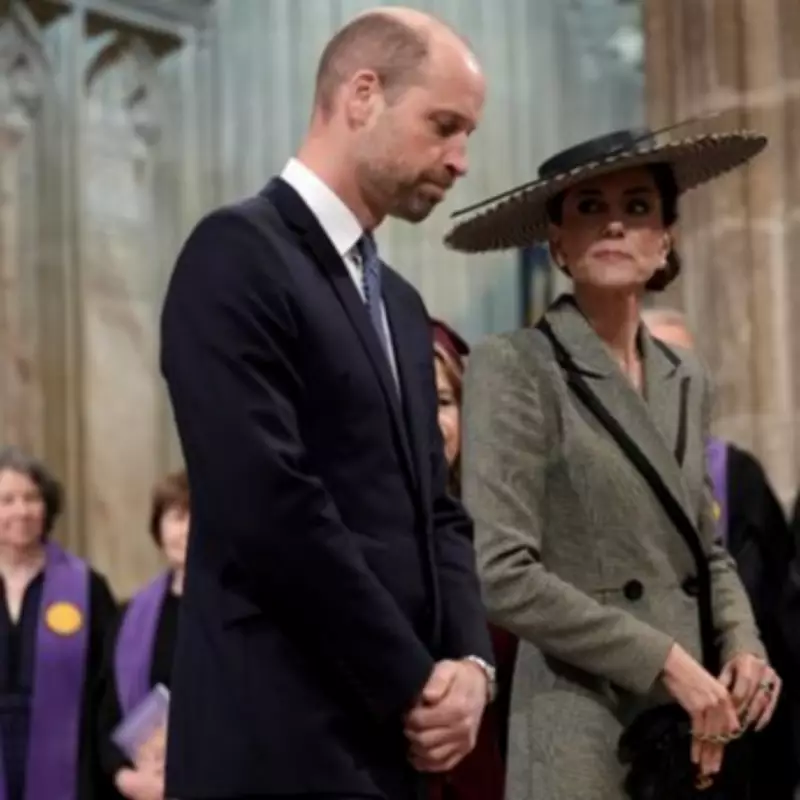
Last Wednesday marked a significant moment in both religious and royal history as Prince William and Princess Kate attended the installation ceremony at Canterbury Cathedral. They watched as Dame Sarah Mullally became the first woman ever to hold the position of Archbishop of Canterbury, following her distinguished career as a nurse and bishop.
The Waleses joined the 2,000-strong congregation in smiling and applauding as Dame Sarah was formally enthroned during the historic service. As the new Archbishop processed through the cathedral at the ceremony's conclusion, she paused to bow respectfully to the future king and queen. William responded with a nod and continued applause, while Kate offered a broad smile and a slight nod of her head.
Continuity and Change in Royal Religious Roles
Jennie Bond also addressed the potential for changes to the monarch's religious role under William's future reign. She noted: "Charles tried to change things so that he was defender of faith – a far more inclusive term – but his idea was met by all sorts of resistance. So William is unlikely to try to shake things up too much."
The royal expert predicted: "He will approach his role in his own quiet way, and I think that's much better than hypocritically pretending to have a deep personal faith. It's been reported that Catherine has developed a stronger faith as a result of her cancer diagnosis, and William may find himself influenced by her."
Bond concluded with an important observation about William's understanding of the Church's significance: "But what he clearly understands is that the Church is extremely important in the lives of many people, and he will respect that - and the role that it plays in our national life."

This nuanced approach represents a distinct chapter in the evolving relationship between the British monarchy and the Church of England, with Prince William carving his own path while acknowledging the weight of tradition and the expectations that come with his future position as Supreme Governor.