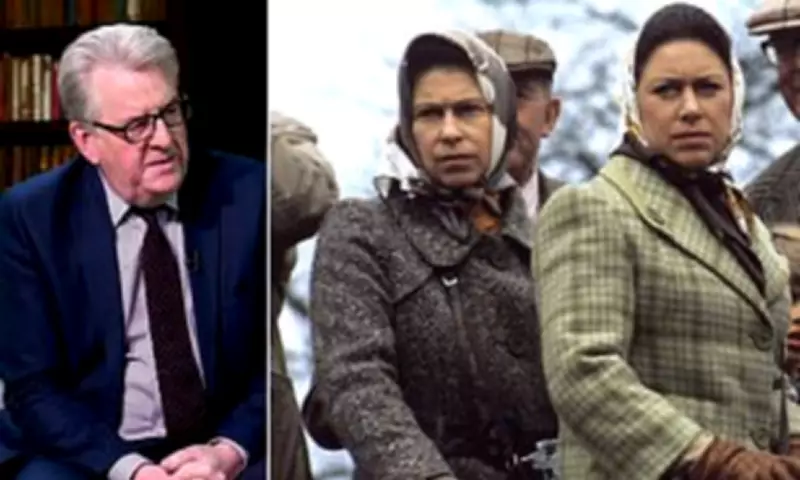
Queen Elizabeth II Nearly Suffered Nervous Breakdown in 1969, Biographer Reveals
Royal biographer Robert Hardman has made a startling claim that the late Queen Elizabeth II came perilously close to experiencing a nervous breakdown during the tumultuous summer of 1969. Speaking on the Daily Mail's Palace Authorised YouTube show, Hardman disclosed that Buckingham Palace publicly announced the monarch had contracted influenza as a cover story for her actual condition.
Palace Cover-Up and Cancelled Engagements
According to Hardman's research for his new book, Elizabeth II: In Private. In Public. The Inside Story, the Queen cancelled all her engagements and retreated to bed during that critical period. The Palace's official statement about flu was particularly unusual given it occurred in early July, raising suspicions about the true nature of her health crisis.
"Someone very close to her team told me that it wasn't flu, it was nervous exhaustion," Hardman revealed, quoting an unnamed Palace source. "I don't think you could call it a full nervous breakdown, because she was back on duty just over a week later - but it was the nearest thing to a nervous breakdown."

The Stressful Context of Prince Charles's Investiture
Hardman identifies the summer of 1969 as exceptionally stressful for the Queen, primarily due to the investiture of her son Charles as Prince of Wales. The Palace had meticulously planned this event as a lavish televised ceremony - the first of its kind broadcast in colour - scheduled to take place at Caernarfon Castle in northwest Wales before global audiences.
However, the period leading up to the ceremony was marred by significant security threats. A Welsh separatist group had planted explosive devices in and around Caernarfon, resulting in fatalities both before and on the day of the investiture itself.
Global Tensions and Personal Anxiety
"The ceremony was going to be the coronation mark two," Hardman explained, emphasizing the event's monumental significance. "It was a very tense moment. Only a few months later, the trouble started again in Northern Ireland."
The biographer contextualized this period within broader global unrest, noting: "It was all over the world really - you just had the assassination of Martin Luther King and Bobby Kennedy in America. People were really nervous, worried about the direction the world was heading in."
Hardman described how pressure had been steadily mounting on the Queen and her family in the investiture's lead-up. "The Queen had always taken the view that if something happened to her, she'd live with it - die with it. It went with the territory," he noted. "But this was the threat of terrorism against her son, his event and the family."
Aftermath and Recovery
Despite Charles being successfully invested as Prince of Wales, the Queen was reportedly overwhelmed by the weight of threats against her son and family. Following the ceremony, Charles embarked on a tour of Wales while the Queen returned to London and cancelled all engagements for the week.
"She was meant to be going to the Wimbledon Finals, had various garden parties, things to do. The whole lot was cancelled," Hardman recounted, emphasizing how uncharacteristic this behavior was for the typically steadfast monarch.
Hardman's extensive research into the Queen's reign forms the basis of his new book, released this month to commemorate what would have been her 100th birthday. The biography promises unprecedented insights into the private struggles behind the public facade of one of history's longest-reigning monarchs.