Strictly Come Dancing Undergoes Radical Transformation for 2026 Series
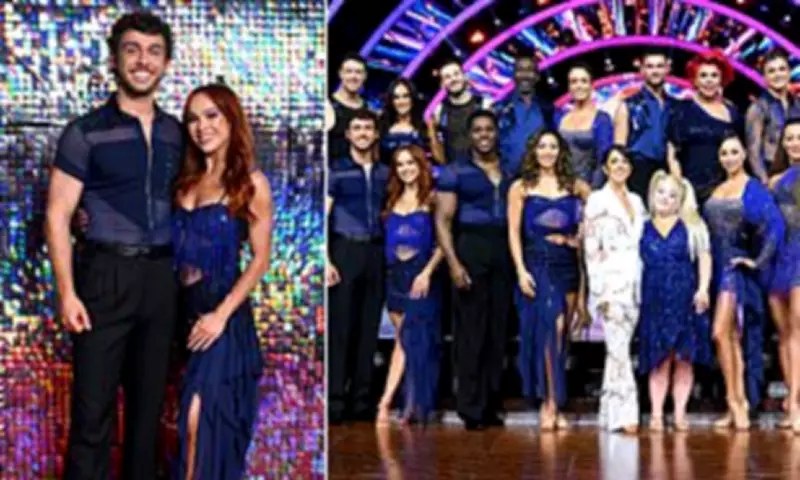
Strictly Come Dancing is poised for its most dramatic transformation in years as the BBC implements a sweeping strategy to revitalise the flagship entertainment programme. The upcoming 2026 series will feature a substantially altered lineup, with several long-serving professional dancers departing and a new generation of social media-oriented talent taking their place.
Professional Dancer Exodus and Social Media Strategy
The BBC has confirmed the departure of multiple fan-favourite professional dancers including Karen Hauer, Nadiya Bychkova, Michelle Tsiakkas, Luba Mushtuk, and Gorka Marquez. This significant personnel change coincides with the ongoing search for new hosts following Tess Daly and Claudia Winkleman's departure last year.
Industry sources reveal that TikTok popularity has become a crucial factor in determining which dancers remain on the show. Producers have reportedly prioritised professionals with substantial social media followings over those less active on digital platforms.

The contrast in social media presence is striking: axed dancer Nadiya Bychkova maintains 19,000 TikTok followers, while retained professional Dianne Buswell boasts 966,000 followers. Similarly, veteran Karen Hauer's 9,000 followers pale in comparison to newcomer Alexis Warr's 190,000-strong TikTok audience.
Youth-Oriented Casting and Content Strategy
The BBC's concerted effort to attract younger viewers represents a fundamental shift in Strictly's traditional approach. Last year's introduction of younger, digitally-native professionals like 25-year-old Alexis Warr and 30-year-old Julian Caillon signalled this directional change.
Alexis Warr's partnership with YouTuber George Clarke exemplified this new strategy, combining a social media-savvy professional with an internet-famous celebrity contestant. Their rehearsal clips garnered hundreds of thousands of views and likes across platforms, demonstrating the potential of this approach.
A television industry insider explained: "Strictly is actively seeking methods to expand its audience both numerically and demographically. Social media platforms, particularly TikTok with its emphasis on music and dance content, provide ideal vehicles for engaging younger viewers."
Celebrity Contestant Evolution
The programme has progressively shifted its celebrity casting toward digital influencers and reality television personalities. Recent series have featured YouTubers like George Clarke and Saffron Barker, Love Island alumni including Amber Davies and Tasha Ghouri, and social media figures such as HRVY.
This represents a reversal of the BBC's previous stance against reality television stars, which was implemented in 2018 but has since been abandoned in favour of attracting younger demographics. The success of influencers on competing programmes like I'm A Celebrity... Get Me Out of Here! has demonstrated the potential of this approach.
Broader BBC Context and Spin-Off Changes
Strictly's youth-focused overhaul aligns with broader BBC initiatives, including the 2022 restoration of BBC Three as a broadcast channel targeting 16-34 year-olds. The corporation's renewed emphasis on younger audiences reflects industry-wide concerns about ageing viewership demographics.
The transformation extends beyond the main programme to its spin-off shows. Reports indicate that Fleur East and Janette Manrara will not return to Strictly Come Dancing: It Takes Two, with BBC executives planning comprehensive changes to the companion programme following recent controversies within the franchise.
Professional Reactions and Future Implications
Departing professionals have expressed mixed emotions about the changes. Karen Hauer described her exit as "terribly stressful and emotional," noting that her rescue dogs provided crucial support during this transitional period.
Looking forward, the 2026 Strictly Come Dancing series will likely feature a substantially younger cohort of professional dancers selected partly for their digital influence. While traditional elements will undoubtedly remain, the programme's evolution toward social media integration and youth appeal represents one of the most significant transformations in its celebrated history.

The BBC's strategy acknowledges changing media consumption patterns while attempting to preserve Strictly's core appeal. As television competes with digital platforms for audience attention, such hybrid approaches may become increasingly common across the entertainment industry.