From Small Screen to Silver Screen: The Streaming Reversal
The entertainment landscape is undergoing a significant transformation as streaming platforms, led by Netflix, are increasingly opting to release television shows as cinema films first. This marks a notable reversal of the traditional content pipeline, where movies typically migrate from theatres to streaming services.
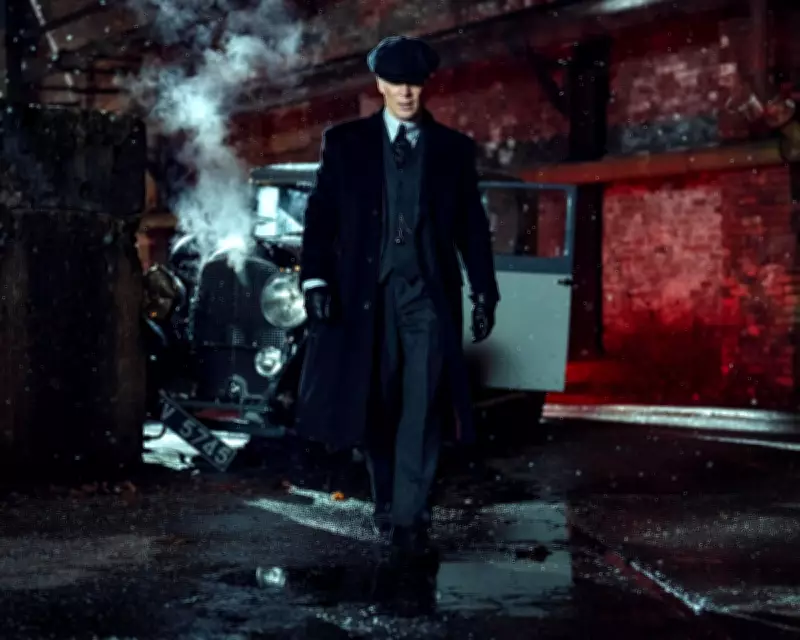
The recent success of Peaky Blinders: The Immortal Man exemplifies this shift. Despite having a cinema run in the UK, including a grand premiere in Birmingham, the film garnered over 25 million views on Netflix in its first three days, far outpacing competitors. This dual-release strategy highlights how streaming giants are leveraging cinemas to drive anticipation and revenue.
Marketing and Franchise Building
Beyond mere marketing or awards qualification, these cinematic forays are becoming crucial for building franchises. Ben Woods, an analyst at MIDiA Research, notes, "Cinema still has this ability to drive anticipation, hype, excitement, and scarcity around entertainment, and it does so in a way that platforms just can't do." For instance, Netflix's KPop Demon Hunters earned over $24 million at the box office and won two Academy Awards after a streaming-first release, demonstrating the financial and critical benefits.

Streaming platforms are capitalising on proven intellectual property to expand into the cinema market. Popular series like Peaky Blinders assure a built-in audience, as seen with The Immortal Man, which served as a big-screen send-off for Tommy Shelby, portrayed by Cillian Murphy. Murphy emphasised, "This is one for the fans," underscoring the targeted approach to dedicated viewers.
Strategic Flexibility and Challenges
Netflix's strategy remains fluid, with no rigid rules on release order. Daniel Loria, SVP content strategy at The Boxoffice Company, observes, "I think Netflix is still trying to figure out what its theatrical release strategy is." Gaps in the release calendar offer opportunities for streaming content to fill, despite a post-pandemic increase in film releases.
Major studios are also blurring the lines between streaming and box office. Disney's The Mandalorian and Grogu film, based on the Disney+ series, reflects a broader aim to return Star Wars stories to cinemas. However, creators face challenges in adapting episodic material into feature films, balancing fan service with broader appeal.
Fan Reactions and Future Prospects
The mixed reception on platforms like the Peaky Blinders subreddit, with nearly 250,000 members, illustrates the difficulty of this balance. While some fans criticised narrative choices, others praised the production, resulting in a roughly 90% fresh rating on Rotten Tomatoes. Despite this, the fluid boundary between TV and movies continues to evolve, with Netflix announcing two new Peaky Blinders seasons set in the postwar era, hinting at potential future spin-offs.
As streaming platforms experiment with cinema releases, they risk alienating core fans but also open new avenues for revenue and franchise growth. This trend signals a dynamic shift in how entertainment is consumed and marketed, with cinemas regaining relevance in the streaming era.