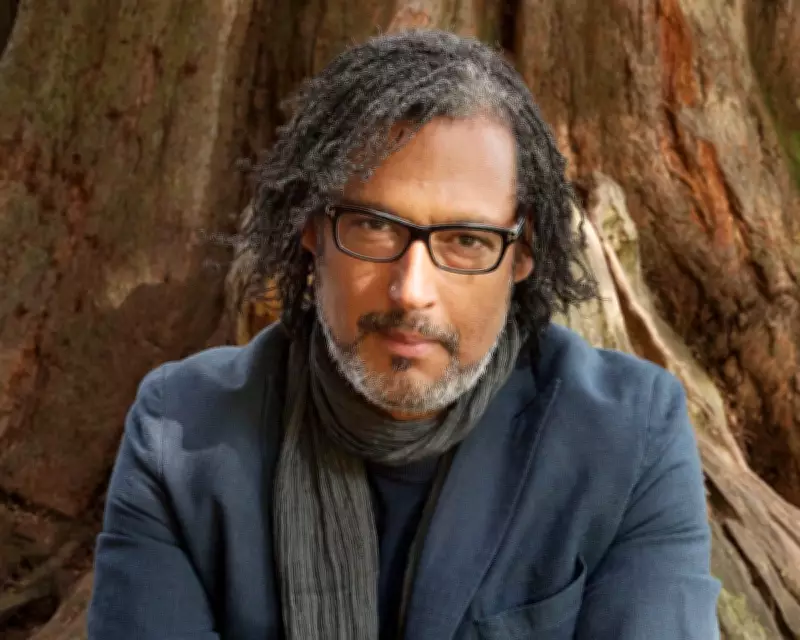
Historian David Olusoga has drawn a compelling parallel between the Salem witch trials and the popular reality television show The Traitors, arguing that historical patterns of mass hysteria and misplaced suspicion can help explain why contestants often fail to identify the real traitors among them.
The Historical Context of the Salem Witch Trials
The Salem witch trials of 1692-1693 in colonial Massachusetts resulted in the execution of 20 people, mostly women, who were falsely accused of witchcraft. Olusoga points out that the accusations were driven by a combination of religious extremism, social tensions, and a lack of due process. The accusers, often young girls, claimed to be possessed by the devil, leading to a frenzy of paranoia that swept through the community.
Parallels to Modern Reality TV
In The Traitors, contestants are tasked with identifying which of their peers are secretly working against the group. Olusoga suggests that the same psychological mechanisms that led to the Salem witch trials are at play in the show. People are quick to suspect others based on flimsy evidence, personal grudges, or social dynamics, rather than focusing on actual betrayals.

- Confirmation bias: Once a suspicion is formed, people tend to interpret all subsequent actions as confirming that suspicion.
- Groupthink: In both Salem and the show, individuals are influenced by the opinions of the majority, leading to a cascade of false accusations.
- Scapegoating: When under pressure, groups often target a vulnerable member to restore a sense of control.
The Role of Fear and Uncertainty
Olusoga emphasizes that fear of the unknown and a desire for certainty drove the witch trials. Similarly, in The Traitors, the constant threat of being deceived creates an atmosphere of suspicion that can cloud judgment. The historian argues that understanding these historical parallels can help viewers and contestants alike recognize the irrationality of their suspicions.
Lessons for Today
Beyond entertainment, Olusoga believes that the Salem witch trials offer valuable lessons about the dangers of moral panic and the importance of critical thinking. In an age of misinformation, the ability to distinguish real threats from imagined ones is more crucial than ever.
While The Traitors is a game, Olusoga warns that similar dynamics play out in real life, from political witch hunts to online cancel culture. By learning from history, we can avoid repeating its mistakes.