UK's 2026 Eurovision Entry Embraces Eccentricity with Look Mum No Computer
The United Kingdom has unveiled its entry for the 2026 Eurovision Song Contest, opting for a distinctly unconventional choice: Look Mum No Computer. This move signals a deliberate pivot towards the bizarre, as the BBC seeks to reinvigorate interest in a competition grappling with significant challenges.
A Contest in Crisis
Eurovision 2026 faces mounting pressures. Five nations—Iceland, Ireland, the Netherlands, Slovenia, and Spain—are boycotting the event over Israel's continued participation. Concurrently, television audiences are plummeting; the BBC's 2024 coverage shed a quarter of its viewers compared to the previous year, with an additional million tuning out in 2023.
Who Is Look Mum No Computer?
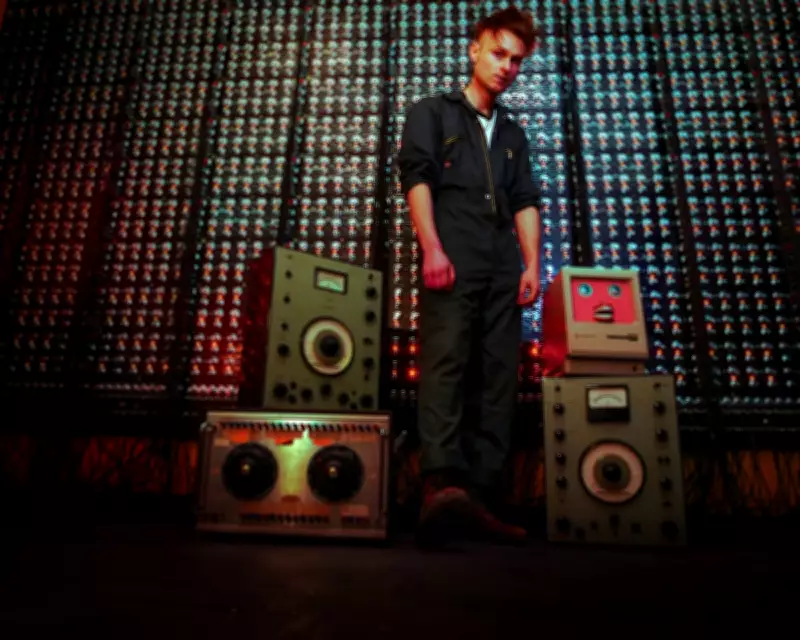
Look Mum No Computer is the alias of Sam Battle, a former frontman of the band Zibra. Described by the BBC as a multi-talented solo artist, experimental singer-songwriter, live electronics performer, composer, and inventor of unique musical machines, Battle has cultivated a dedicated following on YouTube. His channel features eclectic content, from restoring a 1929 car to composing instrumental tracks for abandoned synthesizers, known as The Binmen's Lament. He also founded a museum in Ramsgate dedicated to experimental and obsolete scientific and musical technology.

A Strategic Gamble or a Sign of Desperation?
This selection can be interpreted in two starkly different ways. Some view it as a clever, avant-garde strategy to stand out in a contest that has evolved beyond its mainstream roots. Others see it as a symptom of broader decline, a far cry from the era of Cliff Richard, Lulu, and Brotherhood of Man. Critics might argue for entering a mainstream act like Oasis, but such a move would likely backfire due to European skepticism towards British entries and the band's incongruity with Eurovision's current eccentric vibe.
Eurovision's New Normal
Eurovision has transformed dramatically. Recent entries include Greece's 8-bit techno act resembling a children's entertainer, Denmark's goth performer in a fish tank, and Moldova's patriotic anthem Viva, Moldova!. Latvia's 2022 song Eat Your Salad famously featured provocative lyrics, underscoring the contest's shift towards the unconventional. The UK's traditional approaches have largely failed; in the past 15 years, only Sam Ryder in 2022 cracked the top 10. Nostalgia acts like Bonnie Tyler and Engelbert Humperdinck flopped, as did reality TV contestants Lucie Jones and Michael Rice. Even aligning with contemporary trends, as with Olly Alexander in 2024, yielded a disappointing 18th place.
Nothing Left to Lose
With such a dismal track record, the UK arguably has little to lose by embracing weirdness. If that means fielding an inventor-musician from Ramsgate with a cumbersome stage name, so be it. The rationale is simple: since defeat seems inevitable, why not take a bold, experimental risk?
A Glimmer of Hope
Despite the skepticism, there is potential for surprise. No song has been released yet, leaving room for a potential hit that could redefine Eurovision. Battle's recent YouTube video, where he reconstructs a Blur song solo using vintage electronic instruments, captivated a German audience, suggesting his act might resonate internationally. This fusion of Ed Sheeran-esque charm with BBC Radiophonic Workshop innovation could prove compelling.
Ultimately, the UK's 2026 Eurovision entry represents a high-stakes gamble. By choosing Look Mum No Computer, the nation is betting on eccentricity to break a cycle of underperformance, hoping that in a contest of oddities, the weirdest might just have a shot.