Locita Brandy, now 91, vividly recalls the cold when she arrived in the UK from Nevis in 1956 at age 22. She found the poorly insulated houses and unpredictable weather of south Manchester a harsh contrast to the tropics. 'It was harrowing, it was cold. It was a different place altogether,' she told the Manchester Evening News. 'They didn’t tell us that in England you had to have fire in your house, it was freezing, always freezing.'
Facing Racism and Finding Work
Jobs were scarce due to pervasive racism. 'After a couple of months looking around for jobs, I couldn’t believe that people were like that,' she said. 'They thought that we came from the jungle, but we saw this as a different kind of jungle.' Despite these challenges, Brandy became a community activist, working as a dinner lady and campaigning for Caribbean food in schools, teaching black history before it was part of the curriculum, and running a holiday club in Moss Side.
Pioneering Community Change
In the 1960s, she was the first black woman to join her local Mother’s Union branch. She was active in the Moss Side Residents’ Association, campaigning on road safety, education, and housing. In the 1970s, she fought for Caribbean children labelled 'educationally subnormal' to be placed in mainstream schools. From 2003 to 2007, she served as a councillor for Moss Side. Reflecting on her activism, she joked, 'Many-a-time I felt like they were going to lock me up. I usually said things that the system didn’t like to hear.'

Co-Founding the Manchester Carnival
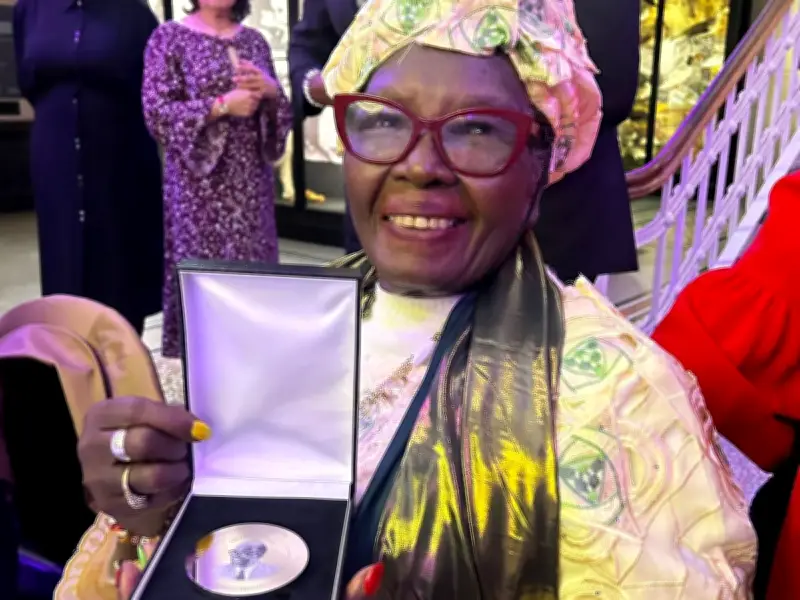
In the 1970s, Brandy was part of the Leeward Islands People’s Association, which organized a summer event in Alexandra Park. Drawing on Caribbean carnival traditions, the event grew into the Manchester Carnival, a major annual parade. Earlier this month, the University of Manchester awarded her a medal of honour for shaping the city’s cultural, political, and social landscape over 70 years.
A Legacy of Continuing Struggle
Brandy views her work not with pride but as an ongoing fight. 'It isn’t pride, it’s just that it’s not enough,' she said. 'I sit on my dad’s shoulders and he sat on my grandfather’s shoulders. They always tried to better things.' She added, 'It’s still painful when I think about me going to look for jobs in those days. I used to think ‘if this is happening to me, then it’s going to happen to my children and theirs’. I was thinking of what I could do to help them.'