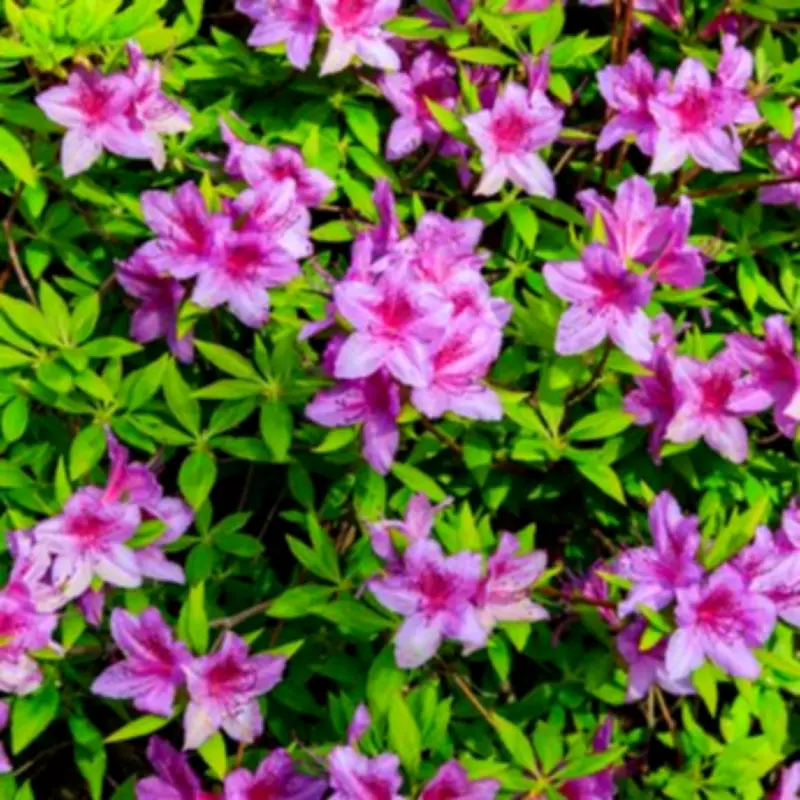
Gardening offers immense satisfaction as a hobby, yet the selection of certain plants can lead to disastrous consequences for your outdoor sanctuary. What begins as an attractive addition can rapidly evolve into an uncontrollable force, overwhelming carefully designed landscapes and creating endless maintenance battles.
The Hidden Dangers of Deceptively Beautiful Plants
Many plants initially appear charming and easy to care for, only to reveal their true nature as aggressive invaders that monopolise soil resources and disrupt local ecosystems. These species often outcompete native plants, degrade soil quality, and establish themselves so thoroughly that removal becomes a multi-year ordeal.
1. English Ivy: The Clinging Menace
While English ivy presents an appealing aesthetic on walls or as ground cover, its invasive tendencies make it a formidable opponent once established. This plant expands through trailing vines that root wherever they touch soil and climb any available surface, including brickwork, roof spaces, and mature trees.

Gardening expert Ashley Hanson from Backyard Boss explains the significant risks: "Once ivy gains height, it blocks essential sunlight and adds substantial weight that stresses trees and shrubs. Thick mats form at ground level, preventing native plants from emerging. If left unchecked, these ground cover plants can transform entire planting areas into monocultures."
2. Morning Glory: The Deceptive Beauty
With their delightful heart-shaped leaves and vibrant trumpet flowers, morning glories initially seem like perfect garden additions. However, gardening guru Tracey Besemer at Rural Sprout warns that once planted, "you'll wish you never planted them" as they develop into dense, knotted vegetation that spreads relentlessly.
The plant establishes roots at every node along its stem while dispatching additional runners underground. Tracey cautions: "Eradicating morning glory once established requires considerable energy and time, sometimes spanning years. The seeds can remain dormant in soil for decades, making complete removal exceptionally challenging."
3. Rhododendron Ponticum: The Ecological Threat
Plant specialist Sarah Whitmore at The Nature Network identifies this particular rhododendron species as "highly invasive in the UK", where it colonises woodlands and suffocates indigenous flora through aggressive growth patterns.
Removal proves exceptionally difficult due to its substantial root system and capacity to regenerate from severed stumps. For rhododendron enthusiasts, Sarah recommends choosing non-invasive cultivars that allow appreciation of the blossoms without contributing to serious ecological problems.
Making Informed Gardening Choices
Understanding why these plants become problematic helps gardeners avoid repeating common mistakes. The key considerations include:
- Growth patterns: How rapidly and aggressively does the plant spread?
- Root systems: How deeply and extensively do roots establish?
- Reproduction methods: Does it propagate through seeds, runners, or both?
- Ecological impact: How does it affect native species and soil health?
By researching plants thoroughly before introducing them to gardens, enthusiasts can create beautiful, sustainable outdoor spaces without facing years of removal struggles. Alternative non-invasive species exist for nearly every gardening purpose, allowing for both aesthetic appeal and environmental responsibility.