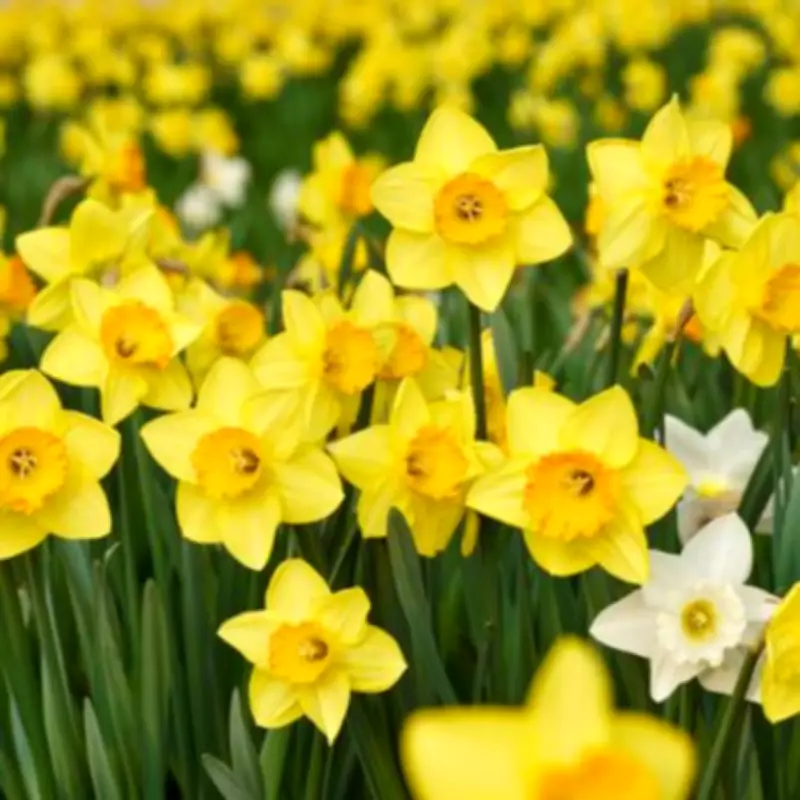
As the first vibrant blooms of spring, daffodils bring a cheerful burst of yellow to gardens and parks across the UK, signalling the end of winter with minimal effort required. However, their beauty is fleeting, lasting only a few weeks before they begin to wilt. Knowing how to care for them post-flowering is essential, as a common mistake could stop them from returning the following year.
The Critical Error That Hinders Daffodil Regrowth
Gardening specialist and author Simon Akeroyd has shared vital tips on handling daffodils once they start to fade. In a recent TikTok clip, he emphasised that improper care during this period can prevent another gorgeous floral display next spring. "What to do with daffodils after flowering," he wrote, showcasing vibrant daffodils in a park setting.
Simon noted that while many people relish the flowering period, "all beauty is fleeting," and soon the plants will look messy as they deteriorate. He cautioned against simply clearing away the fading flowers without care, as this could have detrimental effects.

Why You Should Avoid Tying or Mowing Daffodil Foliage
Initially, Simon advised against tidying dying foliage by bundling daffodils together, a practice he illustrated by gathering them and securing them so wilting petals face downwards. While this might improve your garden's appearance, he contended it stops the flower from photosynthesising. This process is crucial for drawing nutrients down into the bulb, which is essential for its return the following spring.
Additionally, Simon warned against mowing over daffodils after they've finished flowering, explaining that this can also hinder their reappearance. Instead, he recommends a more nuanced approach to ensure their vitality.
Expert Advice for Post-Flowering Daffodil Care
So, what should you do when daffodils begin to fade? Simon suggests deadheading the blooms, which involves removing the flower heads where the yellow petals are attached. This not only tidies your outdoor area but also prompts the daffodils to store additional nutrients for next spring's display, potentially leading to more impressive flowering.
"Leave the foliage to die back naturally for six weeks after flowering to ensure another stunning spring display next year," Simon said. This allows the plant to complete its nutrient cycle without interference.
Planting and Maintenance Tips for Healthy Daffodils
For those planning to introduce more daffodils to their garden, autumn is the ideal planting time. Choose a sunny spot with some shade, and once they're blooming, water them consistently during dry spring conditions. Cut back on watering after the flowers have finished and they enter their dormant phase.
If you already have healthy growth, you can lift and separate the clumps every three to five years to help maintain their vitality. This practice ensures the bulbs don't become overcrowded, promoting better blooms in subsequent seasons.
By following these expert guidelines, gardeners can avoid common pitfalls and enjoy the bright yellow heralds of spring year after year, enhancing their outdoor spaces with minimal effort but maximum care.