Foot and Mouth Crisis: A Quarter-Century Retrospective
Twenty-five years ago, the United Kingdom faced one of its most severe agricultural crises with the outbreak of foot and mouth disease in 2001. The virus, which affects cloven-hoofed animals such as cattle, sheep, and pigs, spread with alarming speed, leading to widespread devastation across the farming community.
Rapid Spread and Immediate Impact
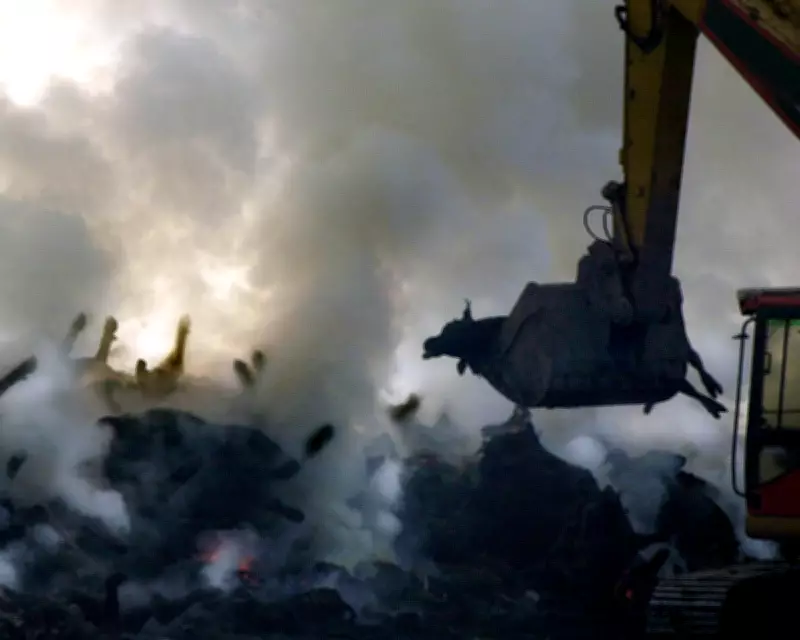
The initial cases were detected in early 2001, and within weeks, the disease had proliferated across the country. The virus spread like wildfire due to factors such as animal movements, contaminated equipment, and environmental conditions. This rapid transmission resulted in the culling of millions of animals in an effort to contain the outbreak, causing significant economic losses and emotional distress for farmers.
Key events during the crisis included:

- Mass culling operations to prevent further spread.
- Imposition of movement restrictions on livestock.
- Closure of footpaths and rural areas to limit human contact.
- International trade bans affecting UK agricultural exports.
Policy Responses and Reforms
In response to the crisis, the government implemented emergency measures, including the establishment of contingency plans and enhanced biosecurity protocols. These actions aimed to mitigate the immediate effects and prevent future outbreaks. Over the years, lessons learned from the 2001 epidemic have informed ongoing agricultural policies, focusing on early detection, rapid response, and improved disease management strategies.
Experts note that while the UK has not faced a similar large-scale outbreak since, the threat of foot and mouth disease remains, necessitating vigilance and preparedness.
Long-Term Consequences and Reflections
The 2001 foot and mouth crisis had lasting impacts on the UK's agricultural sector, including changes in farming practices, increased emphasis on animal welfare, and greater collaboration between government agencies and industry stakeholders. Today, as we mark the 25th anniversary, it serves as a stark reminder of the vulnerabilities in food supply chains and the importance of robust disease control measures.
Looking ahead, advancements in technology and research offer hope for better prevention and management of such epidemics, but the memories of 2001 continue to shape agricultural resilience efforts.