As the Easter weekend approaches, many UK gardeners are preparing to tend to their outdoor spaces, but experts are issuing a crucial warning about four invasive weeds that pose serious risks to both health and property. While Japanese knotweed is widely known for its destructive potential, these lesser-known plants can be equally hazardous, from triggering severe asthma to undermining building foundations.
The Hidden Dangers in Your Garden
Invasive weed removal specialists, Environment Controls, have highlighted these four species in a recent report, urging the public to remain vigilant. Often mistaken for harmless plants, these weeds require careful identification and proper disposal to prevent widespread damage and health issues.
Gaultheria Shallon: The Garden Dominator
Although not toxic, Gaultheria shallon is a flowering weed that can rapidly overtake a garden with its dense, aggressive growth. It spreads quickly, overwhelming native plants and hindering tree regeneration in woodland ecosystems. This invasive species is particularly widespread across southern England and has recently been banned in Scotland under the Wildlife and Countryside Act due to its environmental impact.

Tree of Heaven: A Structural Menace
Originating from China, the Tree of Heaven is now established throughout the UK. This fast-growing tree is notorious for its powerful, unpleasant odour and its aggressive root network. If left unchecked, its roots can cause significant damage to building foundations, drains, and sewer systems, leading to costly repairs and structural instability.
Ragweed: A Major Allergy Trigger
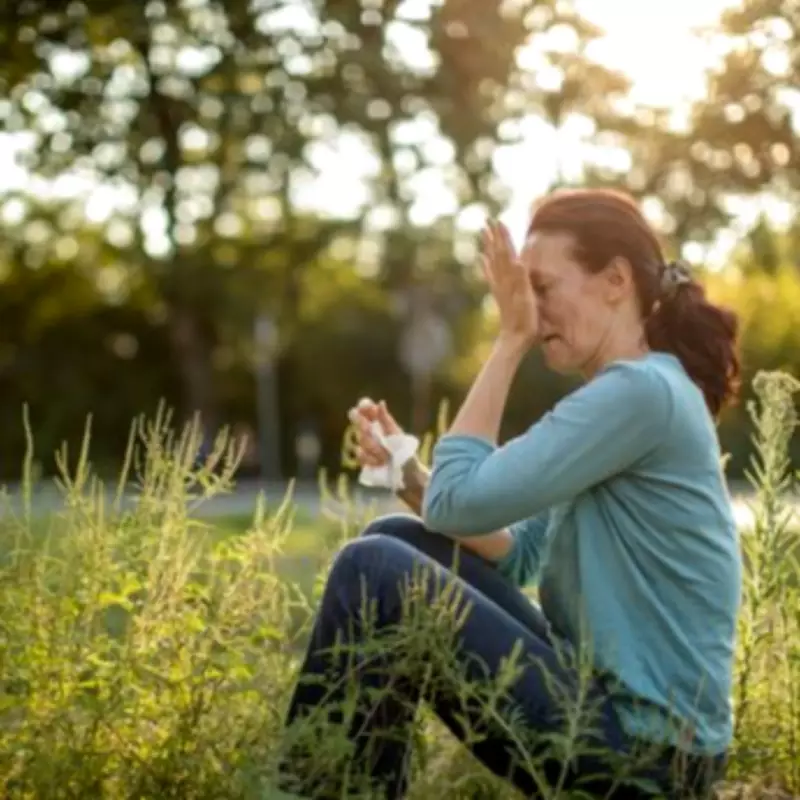
Ragweed is especially concerning for hay fever sufferers and those with respiratory conditions. It releases billions of pollen grains into the air, acting as a potent trigger for allergic reactions. In severe cases, exposure can lead to the development of asthma, making it a critical health hazard in gardens and surrounding areas.
Devil's Trumpet: A Toxic Threat
Also known as Thorn Apple, Devil's Trumpet may appear attractive but is extremely hazardous. Every part of this highly poisonous plant is toxic to humans and animals. If ingested, it can cause serious health problems, including intense visual and auditory hallucinations. Experts emphasise that it should never be handled without appropriate protective equipment.
Protecting Your Garden and Health
Gardeners are advised to inspect their properties regularly for these invasive weeds, especially during seasonal gardening activities. Proper removal techniques, such as wearing gloves and using specialised tools, are essential to avoid health risks. Disposal should follow local guidelines to prevent further spread, as these plants can quickly establish themselves in new areas.
By staying informed and proactive, UK gardeners can safeguard their gardens from these invasive threats, ensuring a safer and healthier outdoor environment for all.