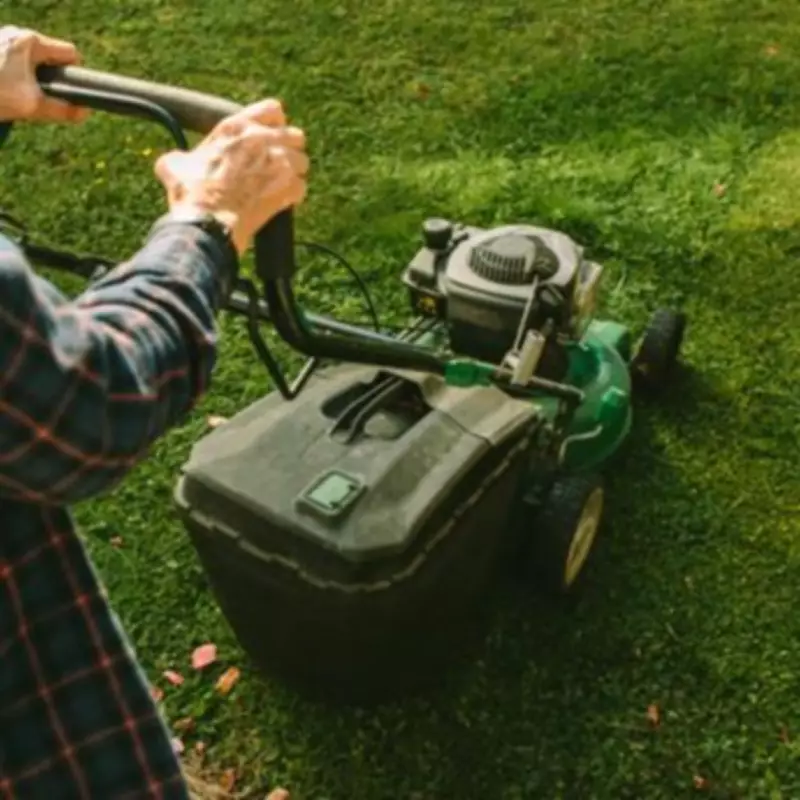
UK Gardeners Advised to Mow Less in Spring to Protect Nesting Birds
Gardening experts are urging UK gardeners to significantly reduce lawn mowing or adjust their mower settings throughout the spring season. This crucial advice aims to protect vulnerable bird populations during their critical nesting period, which typically begins in late March across the United Kingdom.
The Hidden Dangers of Over-Mowing
Maintaining a pristine lawn during spring can become an overwhelming chore that consumes considerable time. More importantly, aggressive mowing practices pose a genuine threat to local bird species that frequently nest in garden environments. Birds are naturally drawn to gardens that offer accessible food sources like bird feeders or abundant plant life.
Specialists at Food for Birds strongly recommend raising mower blade settings to leave grass slightly longer, providing essential cover for young birds attempting to survive the spring months. "Cutting your grass excessively short during nesting season can cause more damage than benefit," explained the experts. "By maintaining higher mower blades, you offer birds and fledglings valuable protective coverage. This approach also promotes healthier grass growth and helps prevent rapid drying of your lawn."

Why Longer Grass Matters for Wildlife
Many fledgling birds instinctively seek refuge in longer grass when they first leave their nests. Regular mowing can completely destroy these vital hiding places or even cause direct physical harm to young birds. Furthermore, trimming grass too early in spring eliminates essential insects and wildflowers that serve as primary food sources for fledglings learning to forage independently.
Common garden species including blackbirds, thrushes, wrens, and robins frequently build their nests close to ground level within low bushes, bramble patches, or dense hedgerows. The disruptive noise generated by lawnmowers can severely distress nesting birds, potentially interrupting breeding cycles or causing parent birds to temporarily abandon their nests. This abandonment leaves chicks dangerously exposed to predators such as domestic cats.
Practical Recommendations for Gardeners
If you wish to support local wildlife this spring, experts strongly advise adopting these practical measures:
- Reduce mowing frequency significantly throughout the nesting season
- Consider postponing mowing entirely until late spring if you can tolerate slightly wilder grass growth
- Conduct thorough visual inspections by walking slowly around your lawn before mowing to check for nesting activity
- Leave designated patches of grass to grow longer throughout the season
- Implement rotational mowing by cutting different lawn sections each week rather than the entire area at once
The gardening specialists elaborated: "Try avoiding complete lawn mowing during every session. Whenever possible, maintain longer grass sections throughout the nesting period. You might mow one half of your lawn one week and the opposite half the following week. This strategic approach allows birds to relocate safely while preserving your lawn's overall appearance."
Legal Protection for Bird Nests
It is critically important to recognize that disturbing active bird nests constitutes a criminal offense under the Wildlife and Countryside Act of 1981. This legislation provides robust protection for all wild birds, their eggs, and their nests throughout the United Kingdom.
Individuals who intentionally damage or destroy nests that are currently in use or under construction could face substantial financial penalties or even custodial sentences lasting up to six months. Gardeners who discover nests within their lawns or elsewhere in their gardens must exercise extreme caution and avoid any interference with these protected habitats.
By adopting more mindful mowing practices this spring, UK gardeners can make a substantial positive impact on local bird populations while simultaneously promoting healthier lawn ecosystems. These simple adjustments require minimal effort but deliver significant benefits for wildlife conservation and biodiversity preservation in domestic garden environments.