Gardeners have been warned to steer clear of one particular pest control product in their gardens in order to protect hedgehogs. With a summer heatwave due after weeks of unpredictable, miserable weather, many people are eager to make the most of the great outdoors. If you are fortunate enough to have a garden, that means plenty of evenings and weekends spent unwinding in your own peaceful, private retreat.
Why Hedgehogs Are at Risk
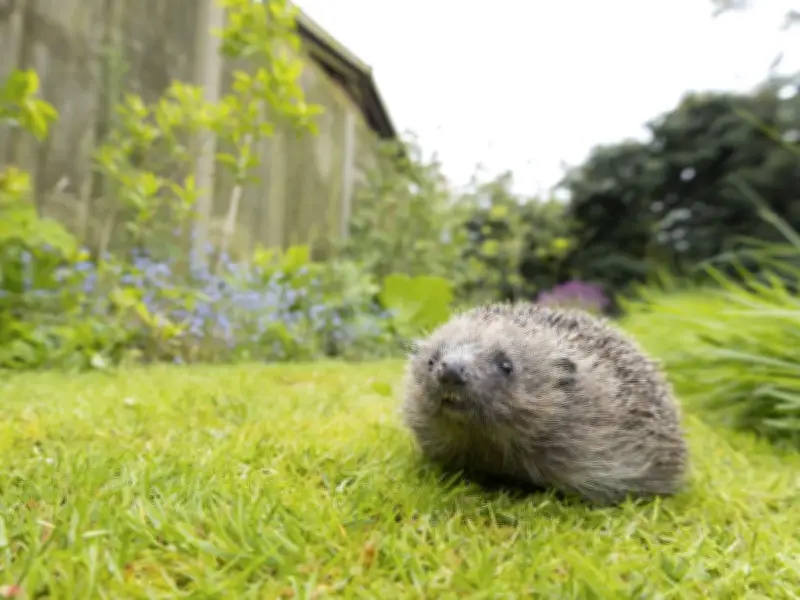
Tidying up the garden and attempting to rid it of unwanted pests such as rats, slugs or snails is a goal many people share, but some widely-used gardening products designed to keep these creatures at bay come at a cost to hedgehogs. According to the RSPCA, hedgehogs are "an important part of the ecosystem" and "a gardener's friend" because "they eat beetles, caterpillars, worms and other invertebrates that might harm plant life." Sadly, however, they are now at risk of extinction in the UK, and can even face danger when seeking refuge in our very own gardens.
Everyday tasks such as strimming are where gardeners must exercise caution, as hedgehogs can be seriously injured or even killed by these tools, while certain products used to protect plants can also contribute to hedgehog deaths.

Slug Pellets: A Hidden Danger
Guidance issued by the Royal Horticultural Society (RHS) advises people to stop using slug pellets for precisely this reason. These are a popular choice for shielding plants from slugs and snails — small, poisonous baits that can be scattered across the garden. When consumed by pests, slug pellets prevent them from feeding until they die, but this also poses a significant threat to hedgehogs.
The RHS states: "Dig around in the back of the garage or shed to make sure you don't have any old metaldehyde-based slug pellets lurking there. These are now banned due to their high toxicity to wildlife, so must be disposed of safely at your nearest recycling centre. Slugs and snails have many benefits in the garden, so it's best to tolerate a level of damage by the minority species that do feed on live plants."
Though not a mainstream food source, they may sometimes be consumed by hedgehogs if there is little else available. In this event, any toxicity from slug pellets present in the slugs or snails would be passed on.
Legal Protections and Safe Alternatives
Metaldehyde slug pellets are banned across the UK. The majority of traditional pellet brands have been replaced with ferric phosphate, which is certified for organic growing and is considerably safer for both wildlife and pets. Make sure to check your garden thoroughly for any old metaldehyde slug pellets that may still be lying around.
Under the Wildlife and Countryside Act 1981, killing or capturing wild hedgehogs is illegal, with methods such as traps, nets or poisons prohibited. The NERC Act 2006 designated hedgehogs a "species of principal importance in England and Wales," placing a duty of responsibility on public bodies to protect them.
The RHS has also called for vigilance should you ever come across a hedgehog out during daylight hours. It cautions: "Hedgehogs are nocturnal and with a few exceptions, should generally only be out and about at night. If you see a hedgehog out in the daytime, even if it looks healthy, it may well be in trouble and need your help. Call the British Hedgehog Preservation Society for advice on 01584 890 801."