Genetically Modified Purple Tomatoes Receive Australian Regulatory Approval
In a significant development for the fresh produce sector, genetically modified purple tomatoes have been granted the green light for sale and cultivation in Australia. The Purple Bliss tomato, developed by Norfolk Healthy Produce, has cleared regulatory hurdles set by Food Standards Australia New Zealand (FSANZ) and the Gene Technology Regulator.
A Novel Addition to the Fresh Food Aisle
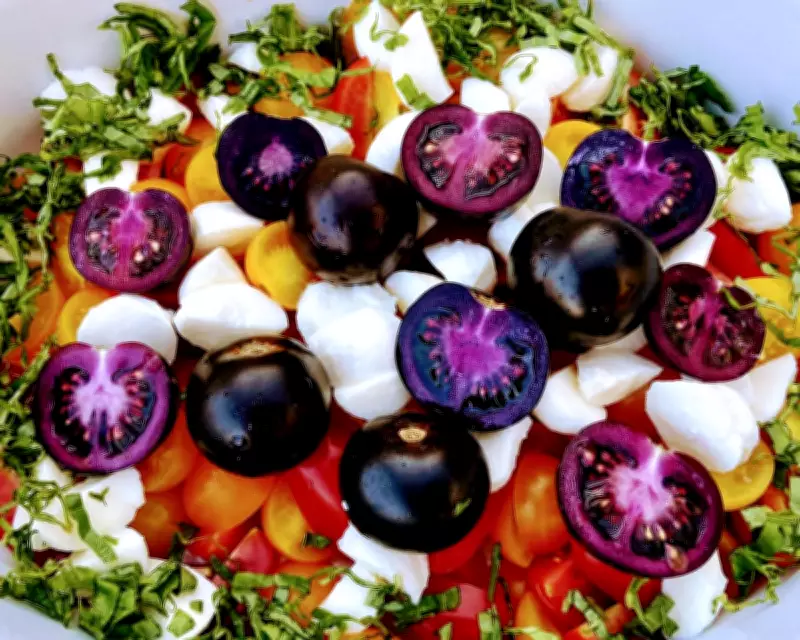
This approval marks a notable moment, as the Purple Bliss tomato could become the first genetically modified fresh whole food available for direct purchase in Australian greengrocers and supermarkets. The tomatoes are approximately the size of a cherry tomato and are described as having a deep purple hue, with a taste profile reported to be sweeter and juicier than conventional varieties.
According to Travis Murphy, Managing Director of All Aussie Farmers, the licence holder for growing and distributing the tomatoes in Australia, consumers can expect to use them much like any other cherry tomato. "You can just eat them straight as they are, or use them as you would any normal cherry tomato in salads," he stated. "If you really wanted to use them in sauce, you could do that and turn your sauce purple."

The Science Behind the Colour
The distinctive violet colour of the Purple Bliss tomato is not naturally occurring in standard tomato varieties. It is the result of genetic engineering that introduces genes from snapdragon flowers. This modification enables the tomato to produce pigments known as anthocyanins.
Anthocyanins are the same compounds that give blueberries and blackberries their characteristic colours and are associated with potential antioxidant properties. Murphy summarised the nutritional intent behind the bio-engineering, remarking, "You're basically looking at a blueberry in tomato clothes."
Regulatory Clearance and Labelling Requirements
In January, FSANZ approved the GM fruit for sale both as a fresh whole tomato and as an ingredient in processed foods, such as sun-dried tomatoes or pastes. A key condition of the approval is that the tomatoes, and any products containing them, must be clearly labelled as genetically modified.
Concurrently, the Gene Technology Regulator issued a licence permitting the cultivation of the tomato in Australia, applying similar conditions to those for conventional tomato varieties. The regulator concluded that the release of this GM fruit presented a "negligible risk to the health and safety of people or the environment", and therefore did not impose any specific risk management measures.
Market Introduction and Consumer Response
All Aussie Farmers plans a phased rollout, aiming to have the Purple Bliss tomatoes available in local fruit shops in Victoria by around spring, with subsequent introductions planned for New South Wales and Queensland. It is worth noting that similar purple tomatoes are already available for purchase in the United States.
Professor Natalina Zlatevska, a marketing expert at the University of Technology Sydney, commented on the potential consumer reception. She suggested that such novel foods can provoke a mix of curiosity and caution. "Novel foods such as this can trigger curiosity as much as caution, particularly when they look different from what people grew up with," she observed.
Controversy and Existing Alternatives
The regulatory approval process was not without opposition. FSANZ, which has approved over 100 GM foods, received 32 submissions during its consultation for the purple tomato. Of these, 25 submissions opposed the approval.
Notable among the objectors was the non-profit organisation GE Free NZ. The group criticised the approval as a potential "trojan horse" that might threaten biosecurity and consumer health. They expressed concerns over FSANZ's reliance on industry-provided data and the absence of long-term human health studies. The organisation also pointed out that naturally purple and black heirloom tomato varieties, such as La Cadero and Indigo Rose, are already commercially available.

This approval follows that of a GM banana in 2024, although that product is not yet on sale, positioning the Purple Bliss tomato as the second GM whole food to be approved for the Australian market.