Country Diary: Hay Stocks Running Low as Last Year's Drought Lingers
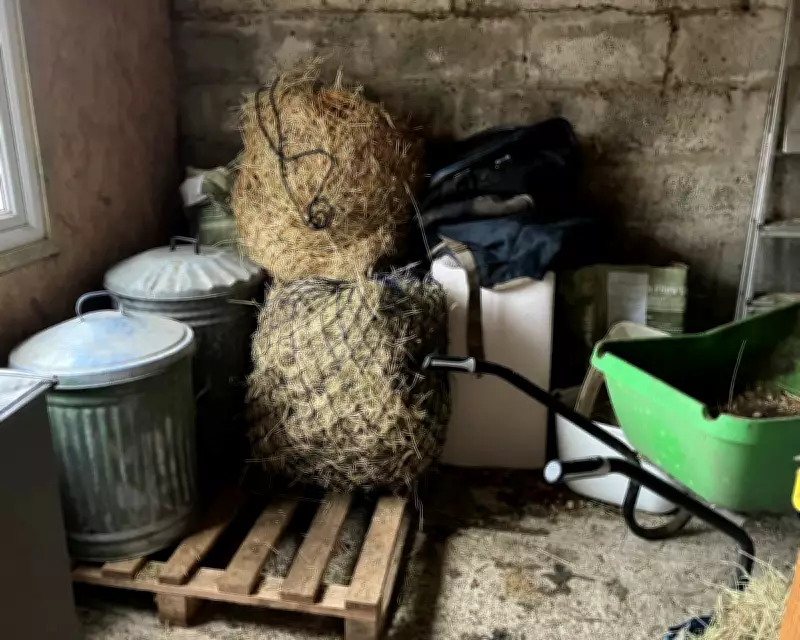
Farmers across the United Kingdom are grappling with a critical shortage of hay, a situation that has been described as the "long tail" of last year's severe drought. This ongoing issue is causing widespread concern within the agricultural community, as dwindling supplies threaten the welfare of livestock and the stability of farming operations.
The Impact of Last Year's Drought
The root of this problem can be traced back to the prolonged dry spell that affected many regions in the previous year. The drought significantly reduced grass growth, which in turn led to a poor hay harvest. Farmers were unable to produce sufficient quantities to meet their usual storage needs, leaving them with depleted reserves as they enter the current season.
This shortage is not merely a temporary inconvenience; it represents a sustained challenge that highlights the vulnerability of agricultural systems to extreme weather events. The effects are being felt across various farming sectors, particularly those reliant on hay for feeding cattle, sheep, and other livestock during the winter months.

Consequences for Livestock and Farming
The low hay stocks are forcing farmers to make difficult decisions. Some are having to purchase hay at inflated prices from distant suppliers, which increases operational costs and strains already tight budgets. Others are considering reducing their herd sizes or seeking alternative feed sources, which may not always be nutritionally adequate or cost-effective.
This situation underscores the broader implications of climate variability on food security and rural economies. With hay being a staple feed, its scarcity can lead to reduced animal health, lower productivity, and potential financial losses for farmers. The ripple effects may extend to local markets and supply chains, affecting consumers as well.
Looking Ahead: Challenges and Adaptations
As farmers navigate this challenging period, there is a growing emphasis on resilience and adaptation. Some are exploring more drought-resistant forage crops or improving water management practices to mitigate future risks. However, these measures require time and investment, and in the short term, the focus remains on managing the immediate crisis.
The ongoing hay shortage serves as a stark reminder of how environmental factors can have lasting impacts on agriculture. It calls for increased awareness and support for sustainable farming practices that can better withstand such adversities. Policymakers and industry stakeholders are urged to consider long-term strategies to bolster the sector against similar events in the future.
In summary, the low hay stocks across the UK are a direct consequence of last year's drought, presenting significant challenges for farmers and highlighting the need for greater resilience in the face of climate-related disruptions.