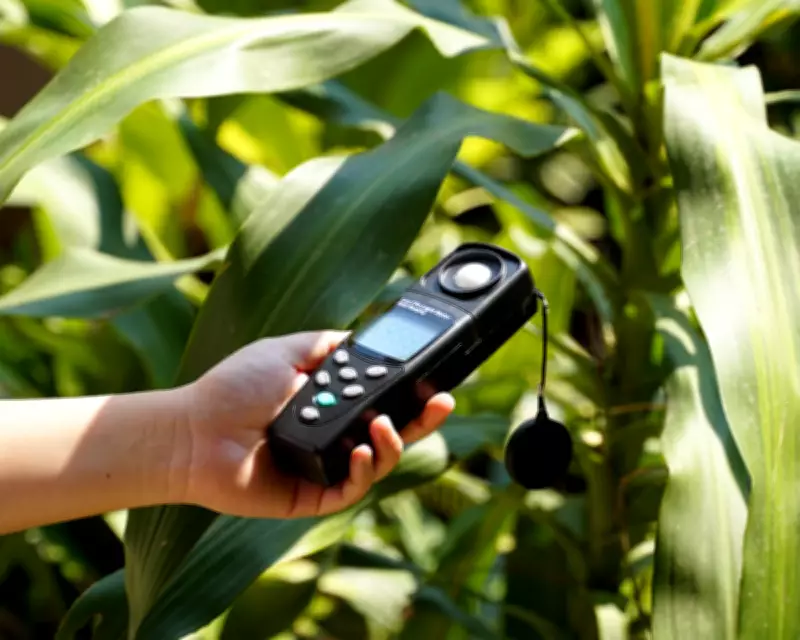
Light meters can take the guesswork out of positioning your houseplants, offering a scientific approach to ensuring they receive adequate illumination. Photograph: Charinporn Thayot/Getty Images
Houseplant Hacks: Are Light Meters Handy or Hopeless?
They are hardly essential tools for every gardener, but light meters can act as useful teachers in understanding the light conditions within your home. Many houseplants fail to thrive simply because they are not receiving enough light, yet the common advice of "bright, indirect light" often leaves plant owners confused about what this means in practical terms.
The Problem with Light for Houseplants
Lots of houseplants struggle and eventually die because they are not getting sufficient light. However, interpreting phrases like "bright, indirect light" can be challenging in everyday settings. Light meters and smartphone apps promise to transform this guesswork into precise numerical data, but are they genuinely useful for amateur gardeners, or are they merely kit reserved for professionals and dedicated plant enthusiasts?

The Hack: Using Light Meters
Light meters measure the amount of light hitting a specific spot, providing quantifiable readings that help determine if an area is suitable for certain plants. Some devices are dedicated light meters, while others are phone apps that utilise the camera sensor to assess light levels. Instead of relying on intuition to judge whether a corner is bright enough, you can measure it directly and then select the right plant for that location with greater confidence.
The Method for Accurate Measurement
Hold the meter at leaf height where your plants actually sit and take readings at different times of the day to capture variations in natural light. Test areas by the window, in the middle of the room, and in those "problem" corners where plants often languish. It is also crucial to repeat this process in winter when daylight levels drop significantly. Patterns will quickly emerge, revealing the dramatic fall-off in light as you move away from a window and highlighting just how low the light numbers are in the centre of most rooms.
The Test: Comparing Devices
In a practical test, a decent light meter and a phone app were evaluated. The app was capable of identifying extremes, such as very dark versus very bright conditions, but it produced jumpy and inconsistent results in intermediate light levels. In contrast, the dedicated light meter provided steady and reliable readings, confirming that a home perceived as "bright" might actually be quite dim, a situation that no amount of fertiliser can rectify.
The Verdict on Light Meters
You do not need a light meter to keep houseplants alive, but it can serve as a very useful educational tool. Use it for a period to gain a deeper understanding of the light dynamics in your home, and then allow your newly trained eye to take over, making informed decisions about plant placement without constant measurement.