The Irish government has unveiled a significant new initiative aimed at bolstering the nation's food security and reducing its dependency on imported flour from the United Kingdom. In response to the economic challenges posed by Brexit, ministers have launched a flour mill scheme that will provide substantial financial support to businesses seeking to establish up to four new commercial mills across Ireland.
Addressing Post-Brexit Vulnerabilities
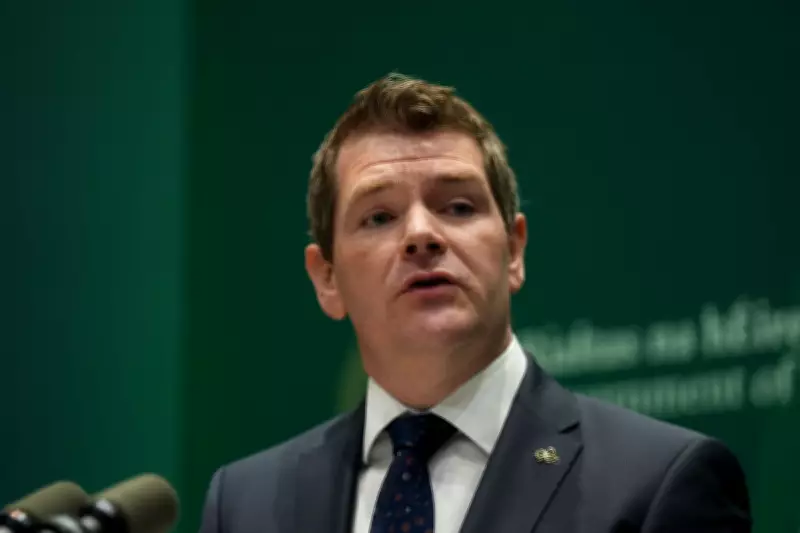
Enterprise Minister Peter Burke and Agriculture Minister Martin Heydon jointly announced the scheme on Wednesday, emphasising that Brexit has starkly highlighted Ireland's need to diversify its markets. Currently, approximately 80% of the flour consumed in Ireland is imported from the UK, amounting to an estimated 240,000 tonnes annually. This heavy reliance has led to increased costs and logistical complexities since the UK's departure from the European Union.
Minister Burke detailed that post-Brexit, the cost of importing flour to Ireland has surged by €10 million due to heightened transport expenses and associated bureaucratic paperwork. "This is a measure trying to cut costs for businesses, trying to assist businesses, build up our indigenous sector and a sector that's very important to us," he stated during the scheme's launch at Bread 41, an artisan bakery in Dublin City centre.

Boosting Indigenous Production
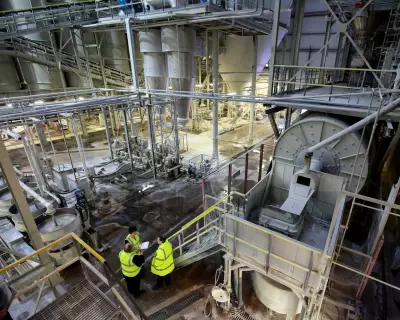
The new scheme will offer grants of up to €5 million per mill, with a total potential investment of €20 million to support the establishment of up to four mills. This initiative is designed to create a production capacity of up to 80,000 tonnes of flour domestically, thereby significantly reducing import volumes. Ireland currently has only one commercial flour mill, operated by the company Odlums in Portarlington, County Laois.
Minister Heydon underscored that Brexit "made us realise the importance of diversification." He noted that his department has been actively working for about a decade to reduce dependency on the UK market across various agricultural products. The flour mill scheme is seen as a critical step in this ongoing effort, with the potential to support the 8,000 individuals employed in Ireland's bakery sector and enhance indigenous food production.
Supporting Tillage Farmers
The scheme is also expected to provide a much-needed boost to tillage farmers, who have faced three consecutive years of severe difficulties. Minister Heydon pointed out that the lack of domestic milling capacity has been "a big impediment for our farmers in the tillage sector." By establishing more mills within Ireland, the government aims to encourage greater cultivation and milling of wheat locally.
"There is an element of chicken and egg, pardon the pun, in agriculture in terms of if the processing capacity is there," Heydon explained. He drew parallels with successes in the organic sector, where companies have incentivised farmers to grow specific crops like oats for targeted markets, such as those in south-east Asia.
Learning from Past Mistakes
Minister Heydon referenced the closure of sugar beet factories in Carlow, Tuam, Mallow, and Thurles in 2006, describing it as "a mistake." He highlighted that the sugar brand Siucra is now owned by a German company, underscoring the loss of a key domestic industry. "We want to make sure we don't lose other sectors like we lost with sugar, because as an island nation, being able to produce as much as we can here is really important," he asserted.
Minister of State at the Department of Finance, Robert Troy, added that the scheme would particularly benefit small, artisan bakeries like Bread 41, which rely on high-quality, locally sourced ingredients. The initiative is part of a broader strategy to strengthen Ireland's agricultural and food processing sectors, ensuring resilience against future market disruptions and fostering sustainable economic growth.