Subterranean Salt Mine Beneath Lake Erie Works Overtime to Combat Winter Weather
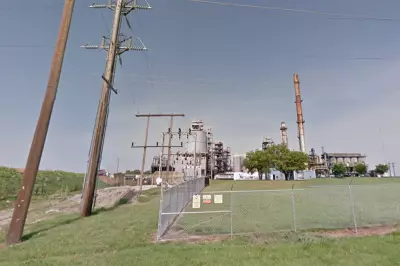
Deep beneath the surface of Lake Erie, in a hidden world unknown to most residents above, miners are tirelessly extracting a vital mineral essential for winter safety: salt. The Whiskey Island salt mine, owned by the global food corporation Cargill, is playing a critical role in supplying road salt across the Northeast and Great Lakes states, where an unusually cold and snowy winter has significantly increased demand. Many municipalities have already depleted their typical spring reserves, according to Cargill spokesperson Emily Tangeman.
Increased Demand Drives Continuous Operations
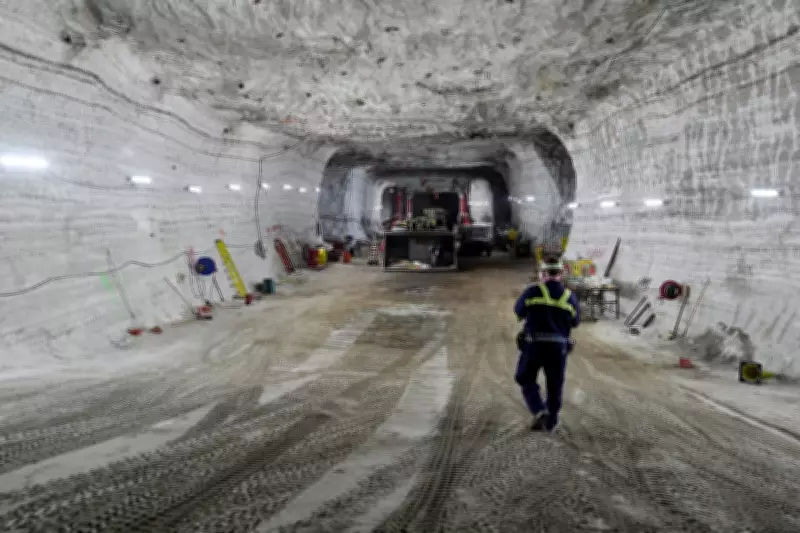
"Our teams have been working overtime since September to support customers across the snowbelt," Tangeman stated, highlighting that early and persistent winter conditions have boosted demand industry-wide. The mine, located 1,800 feet underground and accessed from Whiskey Island near downtown Cleveland, produces between 3 million and 4 million tons of salt annually. However, this output can fall short during exceptionally severe winters, necessitating extended operational hours.
Opened in the 1960s, the mine operates year-round, extracting salt through drilling and blasting techniques in vast tunnels formed from an ancient inland sea that evaporated millions of years ago. Inside, the environment is a labyrinth of roughly rectangular caverns with chalky white walls and ceilings stretching for miles. The area is dimly lit, often pitch-black beyond the glow of headlamps and floodlights, with heavy machinery and conveyor belts rumbling as small ATVs transport miners throughout the complex.

Logistical Challenges and Future Reserves
Maintenance superintendent George Campbell explained that operations are continuous, with any downtime dedicated to upkeep and repairs to maintain steady production levels. Cargill is prioritizing shipments to ensure salt reaches the regions with the greatest need, as winter persists in some areas. Tangeman noted that frequent smaller storms have increased salt usage, requiring repeated applications and creating additional logistical hurdles.
A return to harsher winter conditions across the Eastern United States has led to some cities, including Boston, Bangor in Maine, and Ithaca in New York, experiencing their coldest seasons in over a decade. With winter weather still ongoing in parts of the country, the Cleveland mine remains active. Campbell reassured that there are decades of salt reserves left to be mined, stating, "I think that we have enough reserves to continue to keep people working for a long time."