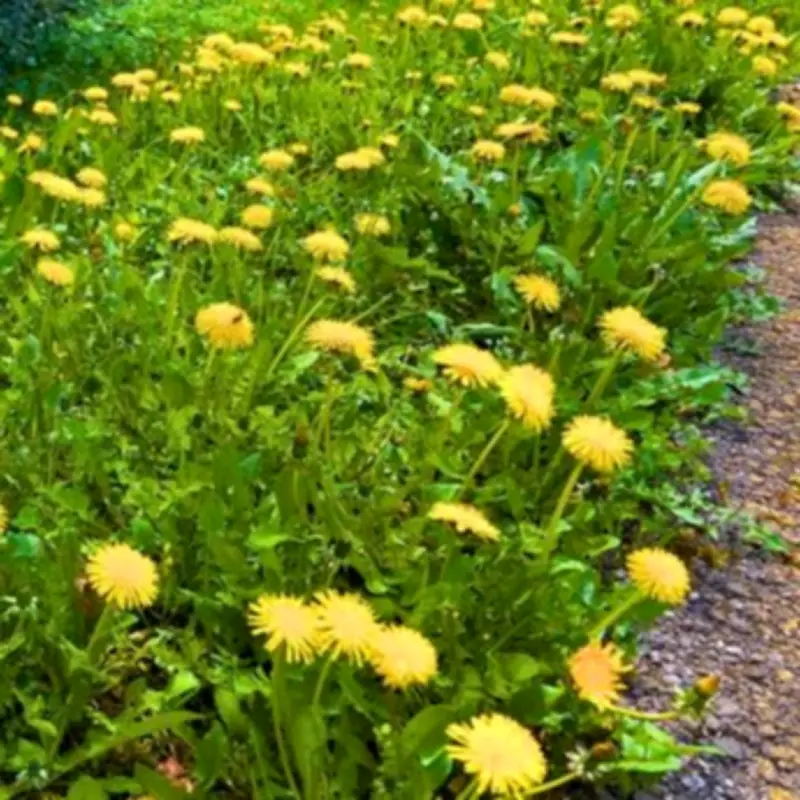
Banish Garden Weeds This February With This Simple Newspaper Trick
As the winter months begin to wane and the days gradually lengthen, February presents a crucial window for proactive gardeners. This is the prime time to tackle one of the most persistent horticultural nuisances: weeds. Before they even have a chance to emerge from the soil and establish themselves, a remarkably simple and eco-friendly solution exists that requires no harsh chemicals or strenuous labour.
The February Weed Problem
February's lengthening daylight acts as a natural signal for countless weed seeds lying dormant in the soil. As temperatures begin their slow climb, these seeds receive the sunlight they need to germinate, often appearing first in the warmest microclimates of your garden. You'll typically spot them sprouting in patio cracks, along driveway edges, and within freshly cultivated flowerbeds.
The danger lies in their rapid development. During this pre-spring period, weeds work quickly to establish robust root systems. If left unchecked, these strengthened roots make the plants far more difficult and time-consuming to remove later in the season, turning a minor task into a major gardening chore.

The Expert's Simple Solution: Newspaper
According to Kevin Lee Jacobs, a seasoned gardener and creator of A Garden for the House, the secret to a weed-free garden is as close as your recycling bin. The method involves smothering potential weed patches with layers of ordinary newspaper.
"[Newspaper] makes weeds instantly disappear," Jacobs explains. "And it prevents them from re-emerging for an entire season, if not longer."
This technique works on a dual front. Firstly, the paper acts as a physical barrier, blocking out the vital sunlight that weed seeds require to trigger germination. Secondly, it suffocates any seedlings that have already begun to develop, causing them to perish rapidly. This straightforward approach prevents large, unsightly patches of weeds from forming and is a completely natural alternative to chemical herbicides, which can damage desirable grass and harm local wildlife.
How to Apply Newspaper Mulch in Your Garden
Executing this weed-prevention strategy correctly is key to its success. Follow these simple steps for best results:
- Choose the Right Material: Stick to plain newspaper, cardboard, or uncoated paper. Avoid glossy magazines or junk mail, as these often contain a plastic coating that will not decompose properly. This coating can create a soggy, impermeable layer that weeds may eventually penetrate.
- Create a Thick Barrier: In the area you wish to protect, lay down four to six sheets of newspaper to form a substantial, light-blocking mat. Position it directly on top of soil where weeds are likely to grow, carefully tucking the edges around existing plants you wish to keep.
- Secure and Activate: Thoroughly soak the newspaper with a hose or watering can. This step is crucial. It weights the paper down, preventing it from being blown away by the wind, and immediately kick-starts the decomposition process.
- Finish for Aesthetics and Efficacy: For a neater appearance and to ensure total sunlight blockage, you can top the damp newspaper with a layer of compost, bark chippings, or another type of organic mulch.
Long-Lasting Benefits for Your Garden
The rewards of this February task extend far beyond simple weed suppression. As the newspaper decomposes over several weeks, it breaks down into valuable organic matter that enriches the soil beneath. This delivers extra nutrients directly to the earth, providing a vital boost to your flowers and plants just as they enter their main spring growth phase.
Gardeners can expect a weed-free zone for several months at a minimum. However, Kevin Lee Jacobs reports even more impressive results from his own experience. "Another bed I mulched with newspaper remained weed-free for two years in a row," he revealed, noting that his ornamental plants thrive in the new, uncompetitive environment. "I won't have to deal with weeds in this bed for at least one season."

By dedicating a small amount of time in February to this simple newspaper method, you can save yourself countless hours of future weeding and foster a healthier, more vibrant garden ready to flourish in the spring.