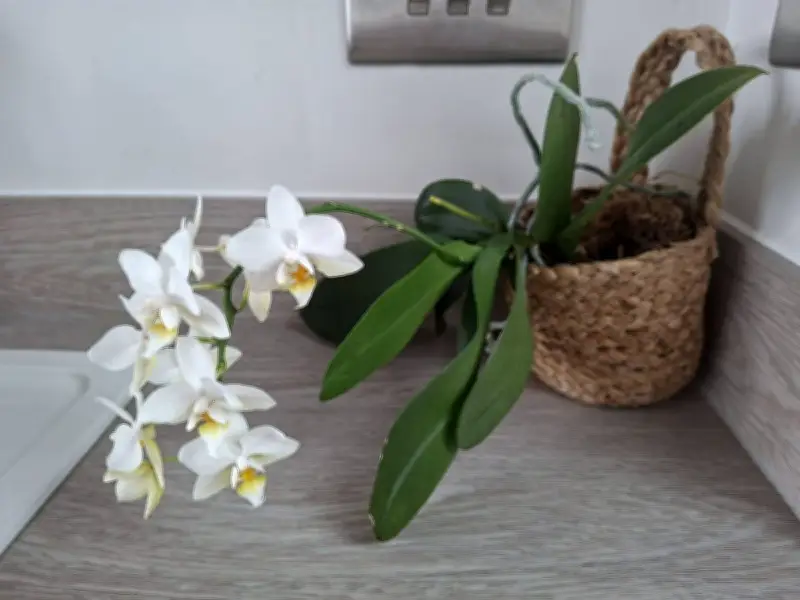
Millie Bull, Deputy Editor of Spare Time, shares her method for getting Phalaenopsis orchids to flower repeatedly throughout the year. The key, she says, is resisting the urge to fuss over the plant.
Why Overcare Kills Orchids
Bull explains that overwatering, overfeeding, excessive pruning, and too much direct sunlight are the primary reasons orchids fail. Orchids are epiphytes—plants that naturally grow on other plants—so they require excellent drainage and air circulation around their roots.
Many people discard orchids once the flowers wilt and drop, but Bull has managed to keep hers flowering two to three times annually with a single yearly practice: leaving the plant alone far more than with other houseplants.

Watering Schedule for Reblooming
Overwatering is a frequent cause of orchid death. Signs of root rot include brown or black roots that are soft and mushy, a damp musty odor, and fungus gnats. To maintain a healthy orchid, water every seven to ten days, reducing to once a fortnight in winter. Always allow the plant to drain fully after watering.
Check root color: bright green means wait, silvery grey indicates it's time to water. The best technique is to place the orchid in a sink half-filled with room temperature water for 10-15 minutes, then let it drain for another 10-15 minutes.
Feeding Orchids Without Damage
Overfeeding can cause yellow leaves, brown roots, and stunted growth. Bull advises using an orchid-specific fertiliser every three to four weeks during the growing season and skipping feeds in winter. Always water the root system with plain water first to prevent fertiliser from scorching the roots.
Deadheading for New Blooms
Once flowers wilt and fall, cut back the flower spike. If the stem is still green and healthy, cut it to the next visible node (a joint along the stem). Each node can generate a new flower spike. Only cut the spike down to the base if it turns brown or straw-colored.
Positioning for Optimal Light
Orchids need bright indirect light. Direct sunlight can scorch leaves, bleach them, or cause purplish-red discoloration. East- or west-facing windows are ideal. Bathrooms provide high humidity, which orchids love; alternatively, place the pot on a tray of damp pebbles to increase humidity.