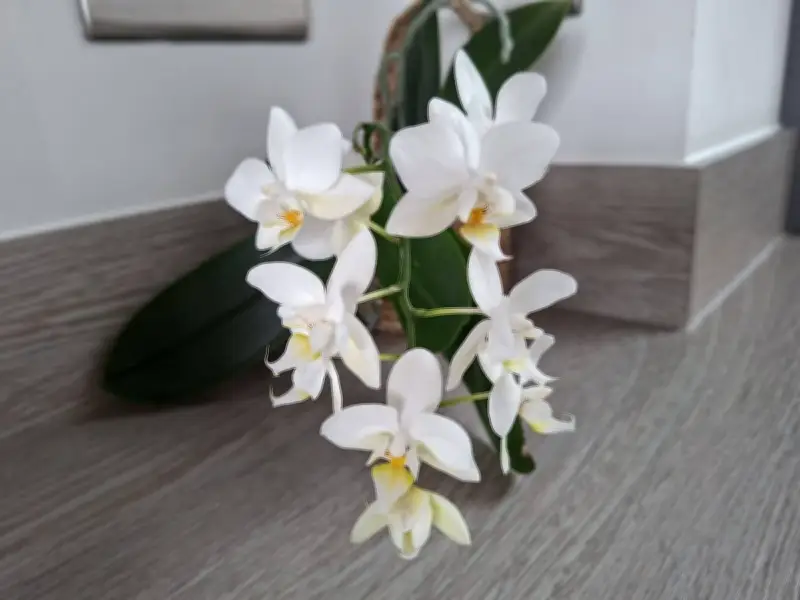
Orchids can bloom repeatedly if you follow one simple yearly care routine. Overwatering, overfeeding, and wrong positioning are common mistakes. Learn how to water, feed, deadhead, and place your orchid for reflowering success.
Why Orchids Fail to Rebloom
Many people discard their orchids once the flowers fade, but with the right care, they can flower two or three times a year. The main reasons orchids struggle are overwatering, overfeeding, overpruning, and too much direct sunlight. A hands-off approach works best.
Watering Orchids Correctly
Overwatering is the most common cause of orchid death. Orchids are epiphytes, requiring excellent drainage and air around their roots. Signs of overwatering include root rot—healthy silvery-grey or green roots turning brown or black, mushy roots, a bad smell, and fungus gnats.

Water every seven to 10 days, reducing to once every two weeks in winter. Ensure the pot drains fully after watering. Check root color: bright green means wait; silvery grey means it's time to water. A good method is to soak the pot in tepid water for 10–15 minutes, then drain for another 10–15 minutes.
Feeding Orchids Without Harm
Too much fertiliser can cause yellow leaves, brown roots, and poor growth. Use an orchid-specific fertiliser every three to four weeks during the growing season, and skip feeding in winter. Always water with plain water before feeding to prevent root burn.
Deadheading to Encourage New Blooms
After flowers die, cut the flower spike back. If the stem is brown or straw-like, cut it to the base. If still green and healthy, cut back to the nearest visible node—a small bump along the stem. Each node can produce a new flower spike.
Positioning for Optimal Light
Place orchids in bright but indirect light. Direct sunlight can scorch leaves, causing reddish-purple discoloration or fading. East- or west-facing windows are ideal. Bathrooms provide extra humidity, or place the orchid on a tray of damp pebbles.