Original Bramley Apple Tree 'At Risk' After Site Where It Grows Is Put Up for Sale
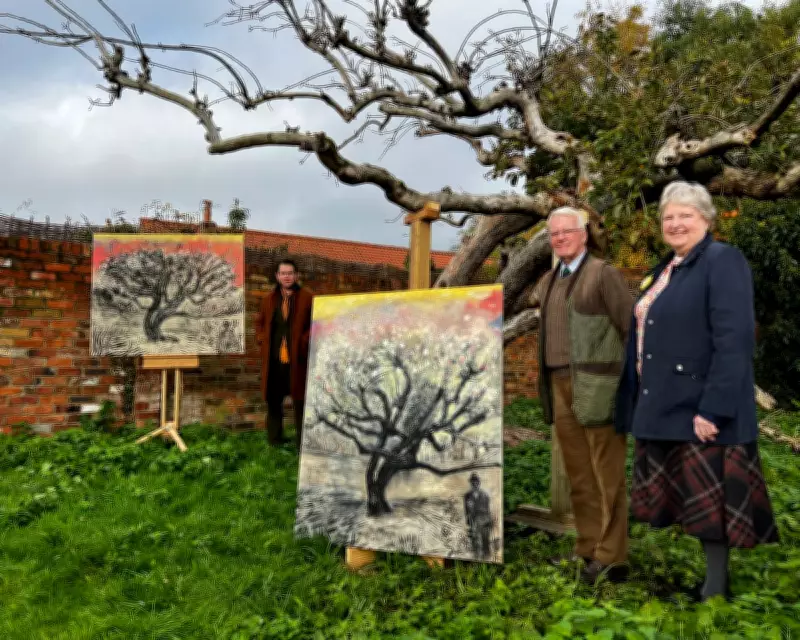
The future of the original Bramley apple tree, which gave rise to one of the world's most beloved cooking apples, is now under threat. This follows the sale of the site in Southwell, Nottinghamshire, where the tree has stood for over two centuries. Campaigners have raised alarms, noting that the tree has never been granted a preservation order to shield it legally from being cut down.
Historic Tree in Peril
The tree is located in the back garden of a row of cottages owned by Nottingham Trent University since 2018, previously used as student accommodation. The university cited the "age and configuration" of the cottages as reasons for the sale, deeming them unsuitable for housing. Celia Steven, 85, the great-granddaughter of Henry Merryweather who first commercialised the Bramley apple, expressed deep concern. "It's a very famous tree. It's a very well-loved tree and it means a lot," she said. "Sadly, people are a bit prone to cut down trees and think about it later, so I find it very disturbing."
Origins and Legacy
Grown from a pip planted by Mary Anne Brailsford between 1809 and 1815, the tree was discovered nearly 50 years later by local gardener Henry Merryweather in a garden owned by Matthew Bramley. Merryweather obtained permission to take cuttings, with the condition that the apples sold bore Bramley's name. Steven highlighted her great-grandfather's role: "He believed in that apple, he commercialised it, he marketed it, he promoted it ... he called it the 'King of Covent Garden'." Since then, the Bramley has become a staple in British kitchens.

Lack of Legal Protection
Despite its historical significance, the tree has never received a tree preservation order, leaving it vulnerable. However, it has gained royal recognition; in 2022, it was cited as one of 50 "great British trees" for the queen's golden jubilee, and later included in a selection of 70 ancient trees for the platinum jubilee. Steven emphasised, "Our ancient trees are not protected in the way they should be. They're not revered in the way they should be. They're very special to this country, and when we have got such things, we do need to look after them and protect them for the future."
Campaign Efforts and Neglect Concerns
Dan Llywelyn Hall, founder of the Mother Bramley Legacy Fund, stated that heritage trees should never face such risks. The 45-year-old artist, collaborating with the Merryweather family to raise £400,000 to purchase the site, noted the tree has been "in a state of neglect" since the university's acquisition. Although diagnosed with an incurable honey fungus, the tree remains alive and productive. "It can't be understated, it's the most important, most famous apple tree in the world," Hall said. "It's produced a million-in-one apple which is highly regarded in the culinary world. The fact we have the original still alive is quite an extraordinary thing." He added that this situation highlights broader issues in Britain's care for heritage trees.
University's Response
A Nottingham Trent University spokesperson defended their stewardship: "NTU is proud to have been the latest custodian of the Bramley apple tree and to have played a part in helping to safeguard and celebrate its legacy. When the university became custodian, it was well known that the tree had outlived its natural lifespan by quite some time. We have worked hard using our academic expertise to maintain it in the most careful and appropriate way for a tree of this age and condition." The university has provided public access and supported events like the Bramley apple festival, aiming to ensure the tree remains with a responsible custodian and offering ongoing guidance.