Gardeners are being urged to prune nine specific plants in July to encourage vigorous growth and maintain garden health, according to experts at Hillier Nurseries and Garden Centres. Pruning aims to improve plant shape and stimulate healthy development, but timing is critical to achieve the best results.
Pruning Best Practices
The experts emphasize using clean, sharp tools to avoid damaging plants and ensure proper healing. They advise making cuts above a bud or set of buds, as this is where regrowth occurs, and leaving no stem that could die back. A sloping cut away from the bud helps shed water and assists healing. After pruning, sterilizing tools prevents cross-contamination of diseases between plants.
Plants to Prune in July
Convolvulus
Prune convolvulus hard once it has finished flowering to maintain a compact, bushy shape.

Lavender
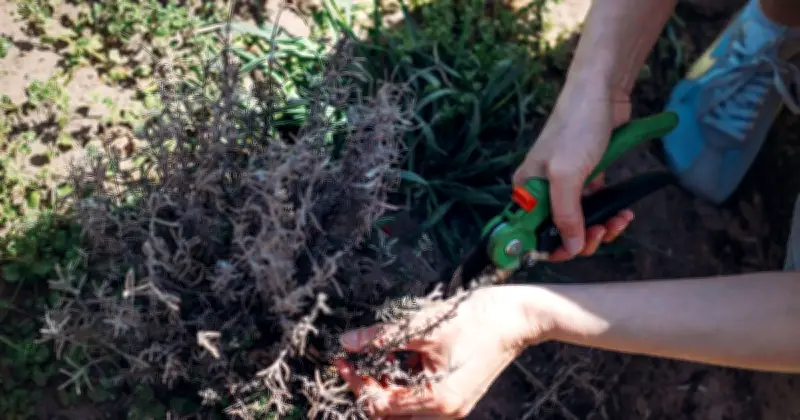
Prune lavender to around 30cm from the ground once the flowers have turned grey. Cut just below the flower stem but avoid cutting into bare wood.
Philadelphus
After flowering, reduce philadelphus by cutting about 20% of its stems to ground level, if required.
Wisteria
Summer-prune wisteria by shortening this year's long, whippy shoots to about five or six leaves. This encourages flowering next year.
Weigela
Thin out old stems of weigela now to encourage vigorous new growth.
Clematis
Early-flowering clematis can be pruned after flowering to control size or remove dead wood.
Hedges
For hedges like box, July is ideal for maintaining shape and preventing legginess. Privet and yew can be trimmed to keep them neat and encourage dense growth.
Apple and Pear Trees
Summer pruning of apple and pear trees restricts growth and improves fruit quality. Focus on thinning overcrowded areas and removing dead or diseased branches.
Roses
Deadhead repeat-flowering roses regularly by cutting back to the first healthy outward-facing leaf to encourage more flowers.
Following these guidelines will help gardeners achieve a vibrant, productive garden through the rest of the season.