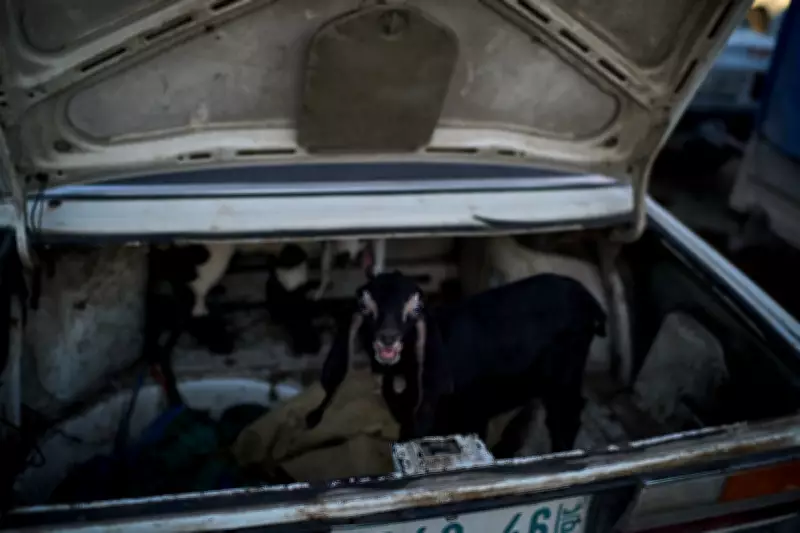
In the early hours before sunrise on the outskirts of Nablus in the occupied West Bank, a traditional livestock market comes to life as Palestinians gather to purchase sheep and goats. This weekly event, held every Tuesday and Thursday from 6 to 9 a.m., draws customers from the surrounding area, including near the Balata Refugee Camp.
Market Dynamics and Pricing
As darkness still envelops the landscape, trucks arrive from nearby villages, driven by shepherds and farmers who bring their animals to an open square. The scene is one of bustling activity, with some buyers huddling against the morning chill, warming themselves beside a small bonfire improvised from an old sofa.
Prices are negotiated directly on the spot, based on factors such as each animal's size, weight, and overall condition. On average, a sheep sells for approximately 40 shekels per kilogram, which is about $13. Residents report that livestock prices have increased in recent years, a trend they partly attribute to shrinking grazing land caused by violent actions by Israeli settlers.

Seasonal Demand and Cultural Significance
Demand for sheep and goats sees a notable rise ahead of the Muslim holy month of Ramadan. However, the market's busiest and most significant season occurs during Eid al-Adha, when the ritual sacrifice of sheep holds deep religious and cultural meaning for the community.
This photo gallery, curated by AP photo editors, captures the essence of this traditional market, highlighting the resilience and daily life of Palestinians in the West Bank. The images showcase the vibrant trade and the social interactions that define this early morning gathering.