While the majority of the world's glaciers are in a state of rapid retreat due to climate change, scientists have uncovered a perplexing and potentially more dangerous phenomenon. An international team of researchers has identified approximately 3,100 glaciers across the Arctic, High Mountain Asia, and the Andes that are exhibiting 'surging' behaviour.
What is Glacier Surging?
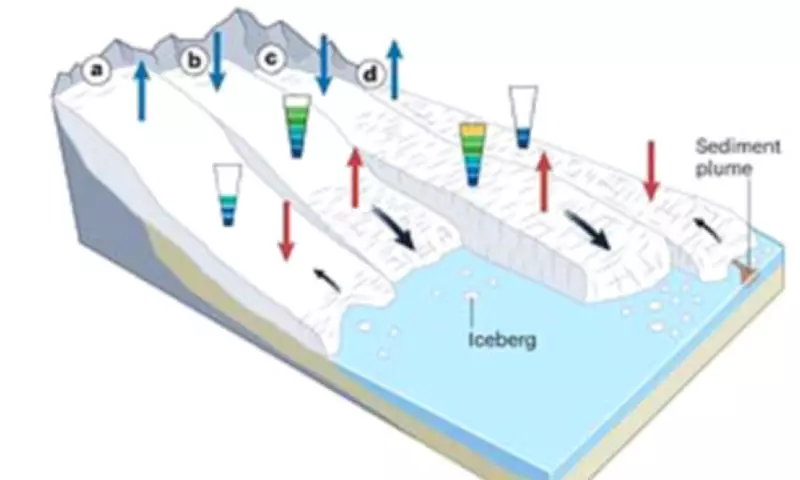
During a surge, a glacier moves at a significantly accelerated pace compared to its normal, gradual flow. This rapid movement transports vast quantities of ice to the glacier's front, often causing it to advance. Unlike typical glaciers that inch forward steadily, surging glaciers experience short, intense bursts of movement lasting several years, followed by extended periods of dormancy that can span decades.
Lead author Dr. Harold Lovell, a glaciologist from the University of Portsmouth, explains the mechanism using a vivid analogy: 'They save up ice like a savings account and then spend it all very quickly like a Black Friday event.'

A Misleading Advancement
Although the temporary advance of a glacier might appear beneficial in an era of widespread ice loss, experts warn that surging is actually more 'troublesome' than glacial retreat. Surging renders glaciers far more susceptible to the impacts of climate change. These surge-prone glaciers contribute disproportionately to ice loss in certain regions, accelerating the overall decline of glacial mass.
The scientific community remains uncertain about the precise triggers for surges. However, evidence points to conditions at the glacier's base, where ice meets bedrock. These glaciers accumulate massive ice reserves until factors like heavy rainfall or elevated temperatures cause a buildup of meltwater beneath the ice. This water layer reduces friction, enabling the glacier to slide downhill in a sudden surge.
Catastrophic Consequences for Communities
The implications extend far beyond the glaciers themselves, posing severe threats to human populations residing in proximity. Dr. Lovell emphasises the gravity of the situation: 'While they only represent 1 per cent of all glaciers worldwide, they affect just under one-fifth of global glacier area, and their behaviour can result in serious and sometimes catastrophic natural disasters that affect thousands of people.'
The hazards associated with surging glaciers are multifaceted and severe:
- Glacier Advance: Rapid ice movement can overrun infrastructure, including roads, farmland, and buildings.
- River Blockages: Surging ice can dam rivers, creating unstable glacial lakes that may breach, unleashing devastating floods.
- Meltwater Outbursts: Sudden releases of trapped water from beneath the glacier can trigger flash floods.
- Glacier Detachments: Entire sections of ice can break away, causing large-scale ice and rock avalanches.
- Widespread Crevassing: High-speed movement fractures the glacier's surface, creating perilous terrain for travel and tourism.
- Iceberg Hazards: When glaciers surge into oceans or seas, they rapidly calve numerous icebergs, posing risks to shipping and marine activities.
The Most Dangerous Glaciers
In a comprehensive study published in Nature Reviews Earth & Environment, the research team pinpointed 81 glaciers that present the greatest danger when they surge. A significant concentration of these high-risk glaciers is located in the Karakoram Mountain range, spanning China, India, and Pakistan. Here, populated valleys and critical infrastructure lie directly below surging giants like the Shisper and Kyagar glaciers.
Other globally significant threats include the Tweedsmuir Glacier in the Alaska-Yukon region and the Kolka Glacier in the Caucasus. The inherent unpredictability of surge events exacerbates these risks, making timely warnings and community preparedness exceptionally challenging.
Climate Change is Rewriting the Rules
The interaction between glacier surging and a warming climate is complex and evolving. Dr. Lovell notes: 'We have been able to piece together the growing body of evidence that shows how climate change is affecting glacier surges, including where and how often they happen.'

Extreme weather events, such as intense rainfall or unusually warm summers, are now triggering surges earlier than historically observed, increasing behavioural unpredictability. In regions like Iceland, where glaciers are rapidly diminishing, surges may cease altogether as ice volumes become insufficient. Conversely, in High Mountain Asia and the Canadian and Russian Arctic, warmer temperatures and increased meltwater could lead to more frequent surge events.
Co-author Professor Gwenn Glowers of Simon Fraser University in Canada summarises the challenge: 'Just as we're starting to develop a more comprehensive understanding of the mechanisms behind glacier surges, climate change is rewriting the rules. Extreme weather events that might have been rare even 50 years ago could become triggers for unexpected surges.'
This shifting dynamic complicates efforts to protect vulnerable communities. The researchers even suggest that surging behaviour, previously unobserved, could emerge in new locations like the Antarctic Peninsula. The discovery of these 3,100 surging glaciers underscores a critical and escalating facet of the global climate crisis, demanding increased scientific scrutiny and proactive risk management for at-risk populations worldwide.