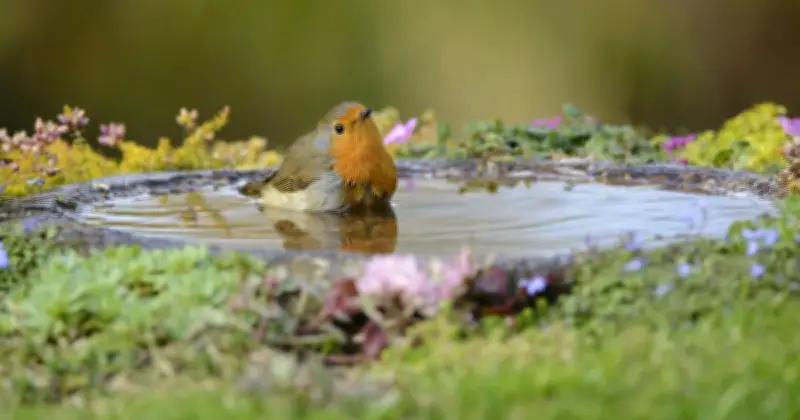
Gardeners across the UK are being urged to drop a 2p coin into their birdbaths this summer to help keep the water clean and safe for visiting birds and wildlife. The simple addition of copper, which leaches into the water, acts as a natural deterrent against algae and bacterial growth, reducing the need for frequent scrubbing.
Why a Copper Coin Works
The hack relies on the antimicrobial properties of copper. As the coin sits in the water, it releases small amounts of copper ions that interfere with the biological processes of algae and microorganisms. Rocky Trifari, bird enthusiast and owner of The Rocky Safari, explains: “Copper is a natural biocide with properties that interfere with the biological processes algae and other microorganisms rely on. When copper ions leach into the water, they promote an environment that discourages the growth of green algae, one of the main causes of that slimy, dirty water found in birdbaths.”
Experts at Gardening Know How describe copper pennies as “one of the cheapest and easiest ways to keep your birdbath clean so you can attract more birds to your garden.” Pre-1982 pennies are recommended because they contain a higher copper content, which triggers a more effective chemical reaction.

Important Precautions
While the trick is effective, gardeners must use only one or two coins to avoid excessive copper levels that could harm smaller birds. Chris Bonnett, founder of GardeningExpress.co.uk, advises: “If you find your birdbath quickly attracts algae you can actually place a 2p coin at the bottom once it's cleaned to help slow down the growth of it. This means you might be able to go a bit longer before having to give it another clean.” However, he stresses that the coin is not a substitute for regular cleaning: “A clean birdbath is crucial in preventing the spread of diseases so if you haven’t used yours in a while give it some care before filling it up with water.”
It is also essential to check coins for rust or corrosion before placing them in the water, and to avoid using harsh chemicals when cleaning the birdbath. The copper coin method should be seen as a supporting measure, not a replacement for routine maintenance.
Summer Maintenance Tips
During hot weather, birdbaths are especially prone to algae and stagnation. Warm temperatures accelerate contamination, so frequent cleaning remains vital. The Royal Society for the Protection of Birds (RSPB) recommends scrubbing birdbaths with a brush and plain water every few days, and refilling with fresh water daily. Adding a copper coin can help extend the time between deep cleans, but it does not eliminate the need for regular care.
With the UK experiencing repeated heatwaves, providing a clean water source is crucial for wildlife. A well-maintained birdbath not only supports birds but also attracts other garden visitors, enhancing biodiversity. As Bonnett notes, “Just like us, birds need regular access to a clean and fresh water source so it’s important to keep filling bird baths.”