Amazon has invested in 180 million carbon-absorbing plants in South Africa's Eastern Cape as part of its Climate Pledge goal to reach net-zero carbon by 2040. The project, one of the world's largest nature-based carbon removal initiatives, will cover 200 square miles of degraded land—an area double the size of Birmingham.
Spekboom: A Natural Carbon Sink
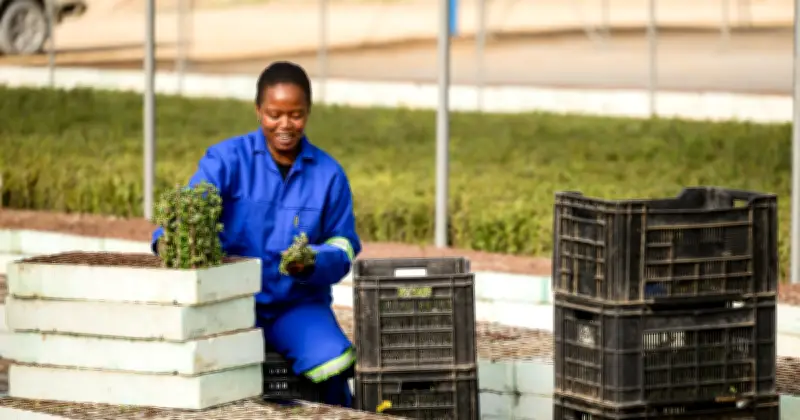
The native spekboom, also known as 'elephant bush', was selected for its ability to absorb carbon dioxide from the atmosphere and store it within leaves and roots. This drought-resistant succulent acts as a natural carbon sink, helping to reduce greenhouse gases, improve soil health, and fight climate change. In some cases, it removes carbon at the rate of a young tropical rainforest.
Often described as an 'ecosystem engineer', spekboom thrives in arid soils where other plants cannot survive. It creates a microclimate and soil conditions that enable native plants to regrow naturally, driving the return of shrubs, grasses, insects, birds, and mammals to the ecosystem. The project area supports 165 recorded species—46 animal and 119 plant—including four vulnerable species of concern to conservationists.

Partnership and Economic Impact
To enable this planting, which will finish by the end of 2028, Amazon joined forces with the World Bank and a range of financial institutions. The investment is a long-term purchase agreement for carbon credits, supporting emerging carbon removal solutions and representing one of the largest private-sector commitments to nature-based restoration in South Africa's history.
The project aims to create approximately 11,000 jobs by 2030 in one of South Africa's most disadvantaged regions. Local small and medium-sized enterprises will receive training in ecological reforestation, boosting the local economy while restoring the ecosystem.
Amazon's Commitment to Net-Zero
Kara Hurst, Amazon’s chief sustainability officer, said: “This is a story about nature, community, ingenuity, and scale. Spekboom is a natural wonder, but it can’t heal the land without help from the people who call the Eastern Cape home. This project will restore the ecosystem and create jobs - a model for how nature-based solutions can enable both climate action and economic development.”
The project forms part of Amazon's work toward its Climate Pledge goal to reach net-zero carbon by 2040. By absorbing carbon dioxide and restoring moisture and biodiversity to degraded landscapes, the spekboom planting is a key step in the company's sustainability strategy.