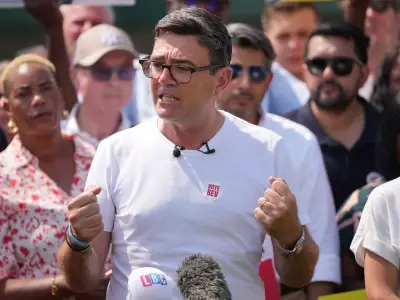
In just under three weeks, voters across Greater Manchester will elect a new mayor. After Andy Burnham was elected MP for Makerfield, he stepped down as regional mayor, calling it 'such a wrench' to leave a job he 'loves'. The by-election on Thursday, July 30, will fill the vacancy at the Greater Manchester Combined Authority (GMCA), which oversees all ten councils.
What is the Supplementary Vote?
As of June 18, 2026, the Labour government restored the supplementary vote system for all mayoral elections, replacing the First Past the Post system used in 2024 under the Conservative government. Under supplementary vote, ballot papers have two columns: one for a first preference (your favourite candidate) and one for a second preference (your runner-up).
How Are Votes Counted?
First-preference votes are counted first. If a candidate receives more than half of the vote share, they win outright and second preferences are discarded. If no candidate achieves a majority, the two candidates with the highest first-preference votes proceed to a second round. Second-preference votes are then added to the first-preference totals, and the candidate with the highest combined total wins.

Voters can mark the same candidate twice, but only the first preference counts; the second preference is disregarded. Alternatively, voters may leave the second column blank.
Results Announcement
Results are announced in stages: first, the share of first-preference votes for each candidate; then, if a second round is needed, the total votes for the remaining candidates. Second preferences for eliminated candidates are also tallied for auditing purposes. Breakdowns of vote splits across Greater Manchester areas will be provided.
Why the Change?
The voting system has shifted between Conservative and Labour governments. The First Past the Post system was introduced via the Elections Act 2022 under then-Levelling Up minister Kemi Badenoch, now Conservative leader. That act also required voter ID at polling stations, a move criticised as disenfranchising some groups. First Past the Post gives each voter one vote; the candidate with the most votes wins, even with a low share. For example, Terry Jermy, MP for Norfolk South West, won with just over 26% in 2024. Conservatives argued it was simpler and boosted turnout, but critics say it is unrepresentative and favours larger parties.
Labour reversed the change last month, claiming the supplementary system is 'more fair'. However, the Institute for Government criticised the decision, noting that under supplementary vote, more than half of second preferences are discarded due to eliminated candidates, and suggested an entirely different system.
Candidates
As of now, candidates include Sian Astley (Reform), Geraldine Coggins (Green), Bev Craig (Labour), Phil Eckersley (Conservative), George Galloway (Worker's Party), and Marlon Scott West (Restore). The official nominations list will be published on Friday, July 3.