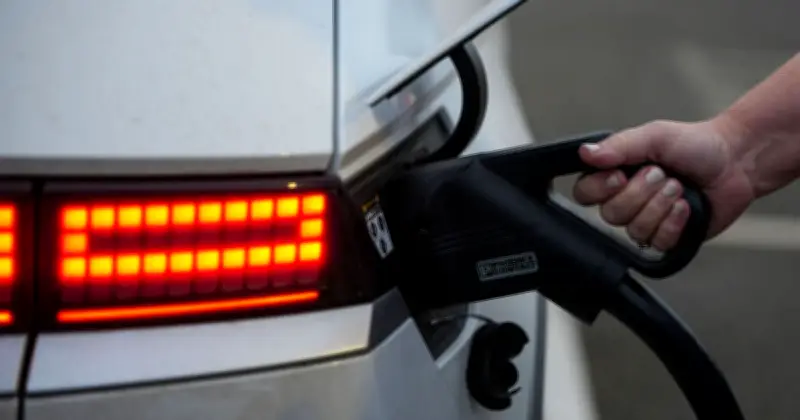
The Climate Change Committee (CCC) has called on the next Prime Minister, widely expected to be Andy Burnham, to proceed with the ban on new petrol cars and avoid weakening the zero-emission vehicles (ZEV) mandate. The independent advisers warned that diluting the mandate would severely undermine the UK's ability to meet its emissions targets and leave households paying higher costs for fossil-fuel cars for longer.
CCC Warns Against Weakening ZEV Mandate
Dr Eoin Devane, director of net zero at the CCC, stated: “We think it’s essential that this year’s review of the ZEV mandate does not weaken it, as doing so would severely undermine prospects of meeting the UK’s emissions target, and would leave more households paying the higher costs of fossil fuelled cars for longer.” The mandate requires a rising percentage of new cars sold to be zero-emission, and the government is currently reviewing it.
Ministers are reportedly planning to reduce the UK's electric vehicle sales target from 80% of new vehicles in 2030 to potentially 50%. Some UK car manufacturers and workers' unions have expressed concerns that the higher goal could drive some plants out of business. However, the CCC urged the next prime minister to “hold the course” on climate action, emphasizing that a faster switch to clean technology would save households money on bills.

Financial Benefits of Clean Technology
The CCC's analysis shows that a typical household with an electric vehicle, heat pump, solar panels, and a “time-of-use” energy tariff could save £1,200 per year today compared to running a gas boiler and petrol car. For some rural households reliant on oil boilers, the savings could be as much as £1,900 on today’s bills. New analysis from the committee indicates that since the start of the Iran war, energy bills for households without heat pumps and EVs have risen almost four times more, while for rural households they have risen ten times more.
UK Not Electrifying Fast Enough
Despite these potential savings, the committee warned that the UK is not “electrifying” – switching to technologies such as heat pumps and EVs – quickly enough for households to realize the savings they could achieve on bills. In its annual report to Parliament on the UK’s progress in cutting greenhouse gas emissions, the CCC called for faster action to electrify household heating, transport, and industry to reduce bills, cut emissions, and lessen exposure to fossil fuel price shocks like those seen during the Iran war.
Emissions Progress and Carbon Budget Targets
The report shows that the UK’s greenhouse gas emissions fell by 1.8% in 2025, and the country is on track to meet its targets for emissions cuts into the early 2030s. This comes as Parliament prepares to debate proposed targets for the “seventh carbon budget,” which covers emissions cuts from 2038 to 2042. The government has committed to an 87% reduction in emissions by 2040 compared to 1990 levels, as part of the path to achieving net-zero emissions by 2050.
Political Divisions Over Net Zero
The push towards net zero has become increasingly politically divisive, with Reform UK and the Conservative Party being more critical of the UK’s climate goals. The progress report has been released as parts of the UK are experiencing a severe heatwave, highlighting the urgency of climate action.