Arctic Black Carbon Crisis Overshadowed by Geopolitical Tensions
A coalition of nations and environmental organisations is urgently lobbying the International Maritime Organization to implement strict regulations concerning black carbon, commonly known as soot, which spews from ships traversing the Arctic. This pollutant blankets glaciers and snow, dramatically accelerating the melting of sea ice. The push for cleaner shipping fuels is occurring against a backdrop of intense geopolitical friction and conflicting national interests, which threaten to derail vital environmental progress.
The Vicious Cycle of Arctic Warming
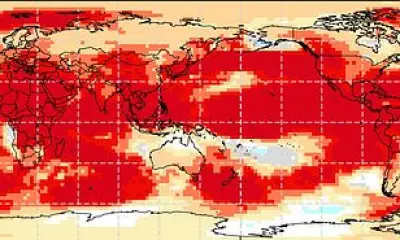
Rising global temperatures have triggered a significant reduction in Arctic sea ice, unlocking previously frozen shipping routes. This has led to a dramatic boom in marine traffic, including cargo ships, fishing vessels, and even cruise liners. However, this increased activity carries a heavy environmental price: black carbon emissions. When soot from ship exhaust settles on ice and snow, it drastically reduces their albedo, or ability to reflect sunlight. Instead, the heat is absorbed, creating a powerful feedback loop that makes the Arctic the fastest-warming region on Earth.
"It ends up in a never-ending cycle of increased warming," explained Sian Prior, lead adviser for the Clean Arctic Alliance. "We need to regulate emissions and black carbon, in particular. Both are completely unregulated in the Arctic." Studies indicate black carbon has a warming impact approximately 1,600 times greater than carbon dioxide over a 20-year period.

Regulatory Proposals Meet Political Resistance
In December, a group including France, Germany, the Solomon Islands, and Denmark proposed that the IMO mandate the use of "polar fuels" for all ships travelling north of the 60th parallel. These lighter fuels emit significantly less carbon pollution than the heavy residual fuels commonly used in maritime transport. The proposal outlines compliance steps and is slated for discussion at IMO committee meetings.
However, progress is stymied by geopolitical tensions. Former President Donald Trump's periodic remarks about the United States needing to "own" Greenland for security have shifted focus away from environmental issues toward sovereignty and NATO alliance concerns. Furthermore, Trump, who has labelled climate change a "con job," previously lobbied successfully against IMO regulations that would have imposed carbon fees on shipping, delaying crucial climate action.
"Given that, it’s hard to see the IMO making fast progress on the current proposal to limit black carbon in the Arctic," observers note. A 2024 ban on heavy fuel oil in the region has had only modest impact due to extensive loopholes and waivers extending to 2029.
Internal Conflicts Within Arctic Nations
Even among Arctic nations most affected by shipping pollution, internal conflicts arise. Iceland serves as a prime example. While a leader in green technologies like carbon capture, its progress on marine pollution regulation is limited due to the powerful fishing industry's influence.
"The industry is happy with profits, unhappy with the taxes and not engaged in issues like climate or biodiversity," said Arni Finnsson, chair of the Iceland Nature Conservation Association. He added that resistance stems from the perceived high costs of switching to cleaner fuels or electrifying fleets. "I think the government is waking up, but they still have to wait for the (fishing) industry to say yes." Iceland's government has called the polar fuels proposal "positive" but states further study is needed before taking a formal position.
Soaring Traffic and Emissions
The data underscores the escalating crisis. Between 2013 and 2023, the number of ships entering Arctic waters north of the 60th parallel surged by 37%, with the total distance travelled skyrocketing 111%, according to the Arctic Council. Concurrently, black carbon emissions from ships in this zone rose from 2,696 metric tons in 2019 to 3,310 metric tons in 2024. A study identified fishing boats as the largest source of this pollutant.

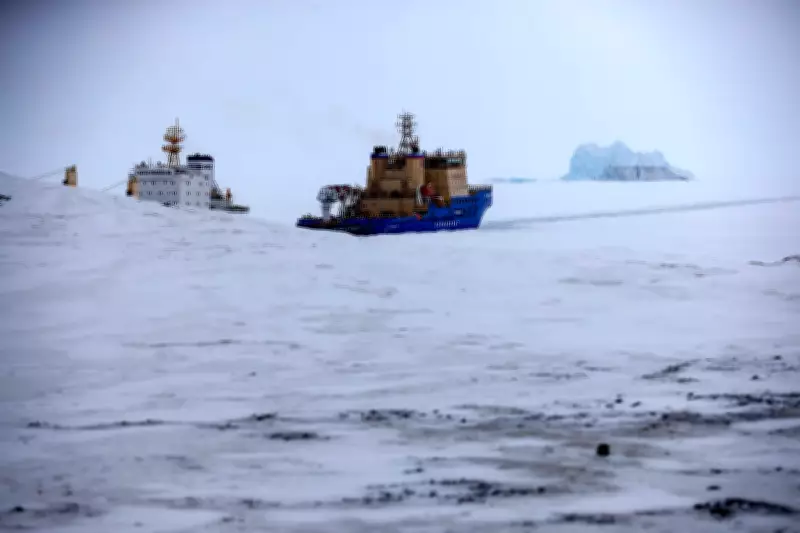
Environmental groups argue that regulating ship fuel is the only viable path to reducing black carbon, as limiting traffic is politically implausible. The economic lure of fishing, resource extraction, and shorter shipping routes between Asia and Europe is too powerful, despite the Northern Sea Route being navigable only a few months annually and requiring icebreaker escorts.
Some major shipping companies, acknowledging the dangers and pollution concerns, are pledging to avoid the route. "Our position at MSC is clear. We do not and will not use the Northern Sea Route," wrote Søren Toft, CEO of Mediterranean Shipping Company. The debate intensifies as the Arctic's fragile ecosystem hangs in the balance, caught between environmental urgency and geopolitical stalemate.