Atlantic Earthquake Swarm Raises Tsunami Risk Concerns Near Puerto Rico Trench
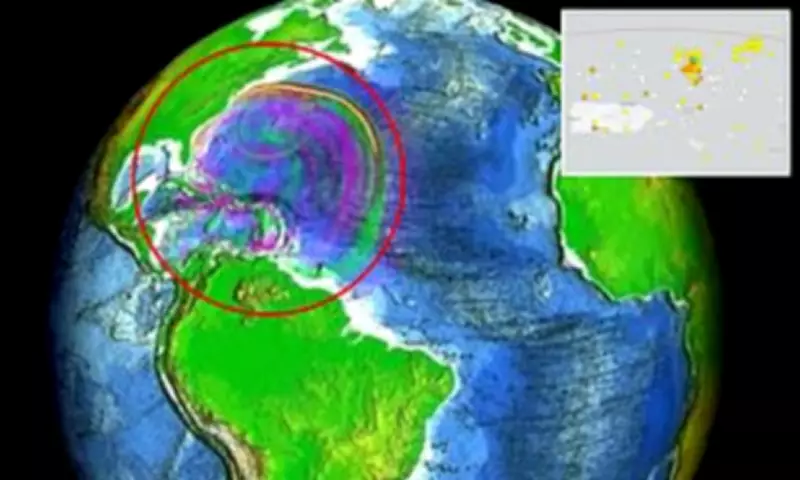
A significant swarm of earthquakes has been detected near the deepest part of the Atlantic Ocean, heightening concerns about seismic risks in a region known for its potential to produce powerful quakes. Since April 1, at least 50 earthquakes have struck along the Puerto Rico Trench region north of the Virgin Islands, with six reported on Friday morning alone. This activity follows a magnitude 5.0 earthquake recorded on March 31, just before the recent swarm began.
Details of the Seismic Activity
The earthquakes in this swarm have ranged in magnitude from 1.6 to 4.3, with the majority measuring between 3.0 and 3.4. Observers have noted what appears to be two separate clusters of earthquake activity forming along the trench system, an unusual pattern that has drawn attention from those monitoring seismic conditions across the region. Many experts are urging vigilance, stating that this development may need to be closely watched.
Understanding the Puerto Rico Trench
The Puerto Rico Trench is located approximately 75 miles north of Puerto Rico, at the boundary between the Caribbean and North American plates. It stretches more than 500 miles, with its deepest point, known as the Milwaukee Deep, plunging over 28,000 feet below sea level. This geological feature makes it a critical area for seismic studies, as it is capable of generating substantial earthquakes.

Tsunami Risks and Scientific Models
Scientists have conducted extensive research to assess tsunami risks along the US Atlantic coast, using hundreds of simulated earthquake scenarios to identify the most dangerous potential sources. Computer models indicate that extremely powerful earthquakes in the trench, ranging from magnitude 8.6 to 8.9, could generate tsunami waves reaching about 11 to 16 feet in Virginia Beach, Virginia. This underscores the importance of ongoing monitoring and preparedness efforts in vulnerable coastal areas.
This is a developing story, with more updates expected as further data becomes available. The seismic activity serves as a reminder of the dynamic and sometimes hazardous nature of Earth's tectonic processes.