Bali is grappling with a significant waste crisis after its primary landfill, Suwung, ceased accepting organic waste from 1 April, disrupting garbage collection across the Indonesian tourist hotspot. The Suwung landfill, operational since 1984 and severely over capacity, is scheduled to close completely on 1 August. Previously, it handled up to 1,800 tonnes of waste daily.
New Restrictions and Immediate Impacts
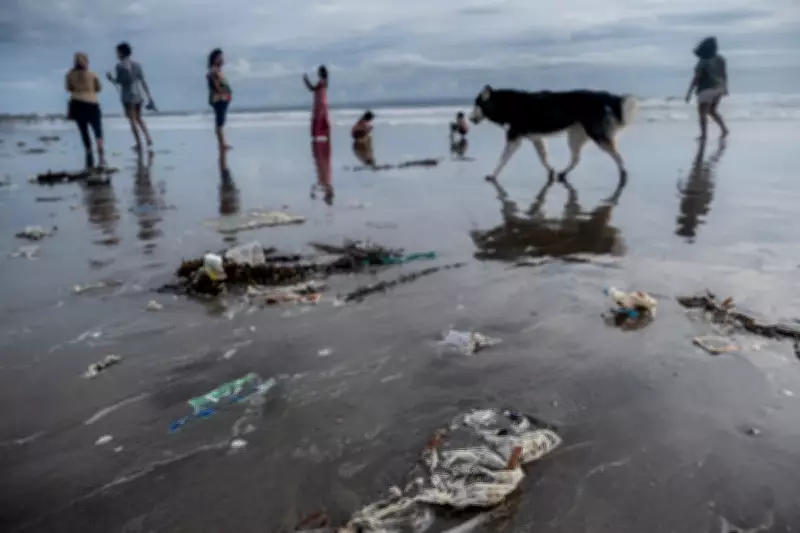
The new restrictions are intended to encourage waste processing at source. However, due to a lack of fully operational alternative disposal methods, residents have resorted to burning rubbish or dumping it on roadsides and in waterways. This has led to visible waste accumulation in popular resort areas like Kuta, raising concerns about the visitor experience and Indonesia's international reputation.
Tourism Sector at Risk
The accumulation of waste is negatively impacting Bali's vital tourism sector. Rubbish is now a common sight on beaches and streets, with tourists expressing dismay. The situation threatens the island's image as a paradise destination and could deter future visitors.

Long-Term Solutions Delayed
Long-term solutions, such as a waste-to-energy facility, are facing years of delays. Meanwhile, the temporary measures have proven insufficient, exacerbating the crisis. Authorities are under pressure to find effective waste management strategies to restore cleanliness and protect the tourism industry.