Big Tech's Off-Grid Power Grids for AI Data Centers Spark Climate Concerns
In a dramatic shift, major technology corporations are reportedly developing their own isolated, off-grid data centers to provide the immense storage and computing power required for artificial intelligence development and other digital services. This move, detailed in a new report, is raising significant environmental and economic concerns.
The GW Ranch Project and National Expansion
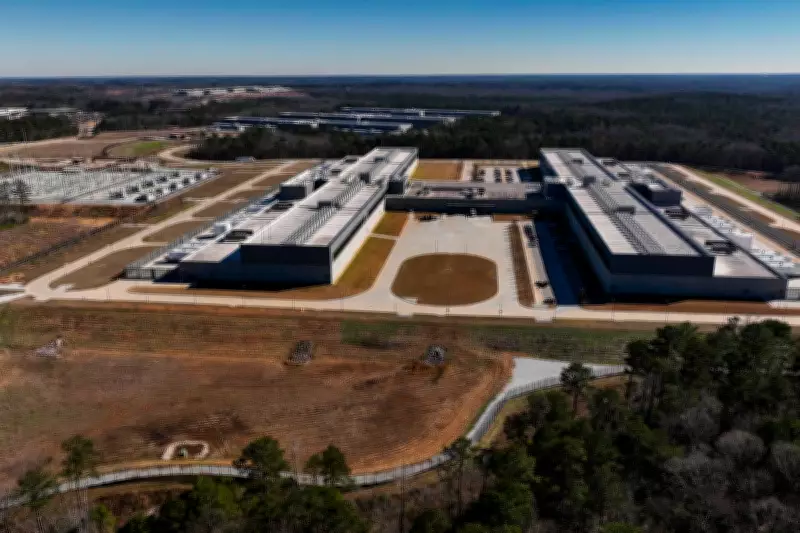
The most prominent example is the GW Ranch project in West Texas, which will transform 8,000 acres of land into a completely off-grid data center facility. According to The Washington Post, this facility alone will consume more energy than the entire city of Chicago. It will generate all its electricity through a combination of natural gas and solar panels, allowing tech companies to bypass utility power availability delays.
This project is not isolated. Regulatory filings, permits, and documents reviewed by the Post reveal similar off-grid data center undertakings planned in Wyoming, New Mexico, Pennsylvania, Utah, Ohio, and Tennessee, with several already under construction. Big-name players driving these builds include Meta, OpenAI, Oracle, and Chevron.

Climate Impact and Local Opposition
Despite incorporating some solar power, most off-grid centers will rely heavily on natural gas due to its consistent output compared to more sustainable fuels. Without grid backup, natural gas becomes the primary power source, leading to increased emissions. Michael Thomas, founder of the energy industry research group Cleanview, told the Post, "It is catastrophic for climate goals." Cleanview has identified 47 such projects nationwide.
Local communities are already mobilizing against these developments. In West Virginia, a planned off-grid data center near Davis will include a gas plant powerful enough to fuel every home in the state. Amy Margolies, a resident opposing the project, criticized the process: "They removed local control completely for this speculative gold rush. Everything is shrouded in secrecy, and the public is removed from the process."
Energy Consumption and Economic Consequences
The scale of energy consumption is staggering. Currently, 5,246 data centers operate in the U.S., collectively consuming at least 17 gigawatts of power—equivalent to 17 large nuclear power generators, each capable of powering 300,000 to 750,000 homes. The race for AI dominance is accelerating this expansion.
Even though these centers are off-grid, ratepayers are not isolated from the consequences. Jigar Shah, an energy entrepreneur who managed federal energy investments under the Biden administration, warned that tech companies with limitless resources will compete with public utilities for maintenance and equipment. This could drive up costs for utilities, which would likely pass expenses to consumers through higher bills. Shah remarked, "This whole thing feels like a fairy tale concocted on the back of a napkin."
Case Studies: Musk's xAI and Meta's Projects
Elon Musk's decision to build an off-grid data center in Memphis for his xAI company illustrates the appeal of bypassing grid constraints. Powered by dozens of portable gas generators, it launched in months rather than years. However, the Environmental Protection Agency recently ruled that Musk's setup illegally breached emissions rules, requiring permits for the generators.
Meta is actively pursuing off-grid builds. Its Socrates project in New Albany, Ohio, will use two off-grid gas power plants and is scheduled to go live later this year. In El Paso, Meta is working with El Paso Electric to build a gas-generating facility using 813 smaller generators. Local officials protested, claiming Meta only received approval by promising clean energy. El Paso Electric stated that solar and battery storage would require thousands of unavailable acres. Meta responded that it plans to match its data center's electricity use with 100% clean and renewable energy by purchasing clean energy for the grid.

Water Usage and Public Backlash
Data centers also face opposition over resource use. A large facility can consume up to 5 million gallons of water daily—equivalent to a town of 10,000–50,000 people, according to the Environment and Energy Institute. In Tucson, Arizona, citizens defeated the "Project Blue" data center proposal, citing water usage in the desert and potential energy bill increases.
Tech companies hope off-grid builds mitigate public concerns. Fundamental Data, building the Davis, West Virginia center, told the Post, "As designed, it is intended to operate independently and does not rely on ratepayer-funded infrastructure or impact existing residential customers." However, Shah remains skeptical, noting that even with unlimited funds, companies cannot ensure 24/7 reliability without a major grid.
As Big Tech races to fuel AI with off-grid power grids, the tension between technological advancement and environmental sustainability continues to escalate, with communities and climate advocates sounding the alarm.