Bird Flu Outbreak in California Elephant Seals Forces Cancellation of Seal-Watching Tours
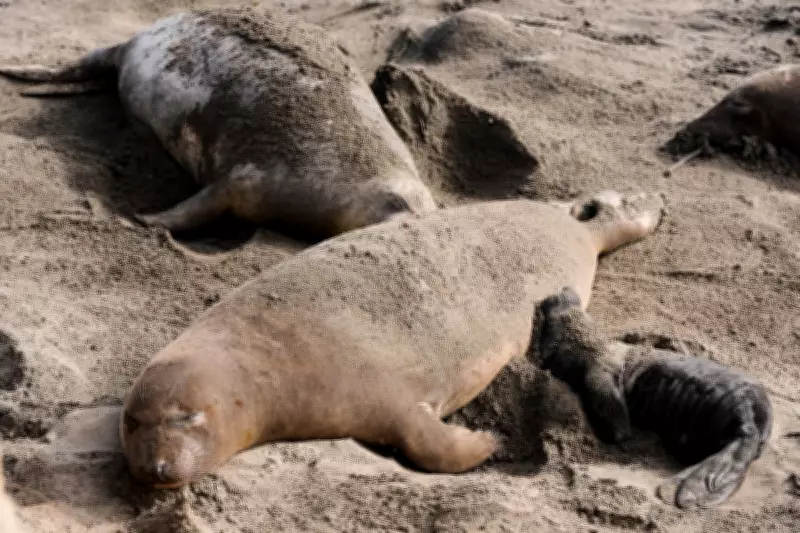
Researchers have confirmed an avian flu outbreak among elephant seal pups at California's Año Nuevo State Park, prompting park officials to cancel all seal-watching tours for the remainder of the breeding season. This marks the first detected outbreak of the virus among marine mammals in California, raising concerns about wildlife health and public safety.
Outbreak Details and Immediate Response
Scientists from the University of California-Santa Cruz and University of California-Davis announced on Wednesday that seven seal pups have tested positive for the HPAI H5N1 avian flu virus, with several more showing symptoms of illness. The outbreak was identified after sick and dead animals were observed on February 19 and 20, leading to rapid sample collection and testing at the California Animal Health and Food Safety Laboratory System.
Jordan Burgess, deputy district superintendent of the California Department of Parks and Recreation, stated that tours at Año Nuevo have been canceled "out of an abundance of caution" to prevent potential disease spread caused by human activity in the seal habitats. The viewing area is currently closed, and officials are urging the public to avoid approaching the seals and keep pets away.

Global Context and Wildlife Vulnerability
This outbreak is part of a worldwide bird flu pandemic that began in 2020, which has resulted in the deaths of millions of domesticated birds and has increasingly spread to wildlife populations. Seals and sea lions appear to be particularly susceptible to the disease, with significant fatalities reported in recent years:
- Thousands of sea lions in Chile and Peru
- Thousands of elephant seals in Argentina
- Hundreds of seals in New England
Christine Johnson, director of the Institute for Pandemic Insights at UC Davis' Weill School of Veterinary Medicine, noted that researchers have been on high alert for such outbreaks, enabling quick detection. Tests on samples from approximately 30 additional animals are still pending, and university researchers are collaborating with state and federal wildlife managers, as well as The West Coast Marine Mammal Stranding Network, to monitor the situation.
Impact on Tourism and Public Health
Año Nuevo State Park, located about 90 minutes south of San Francisco, attracts thousands of elephant seals each winter for breeding, fighting, and giving birth. The annual spectacle draws numerous tourists and wildlife enthusiasts, who typically view the seals from public areas or participate in docent-led guided walks through the rookeries.
Despite the cancellations, officials emphasize that the virus poses a low risk to humans. Burgess clarified, "We're definitely not panicking about human exposure at this point, but rather trying to ensure the health of the seals and people in general." The primary goal is to limit any potential transmission that could arise from people traversing the seal living areas, thereby protecting both wildlife and public well-being during this critical period.