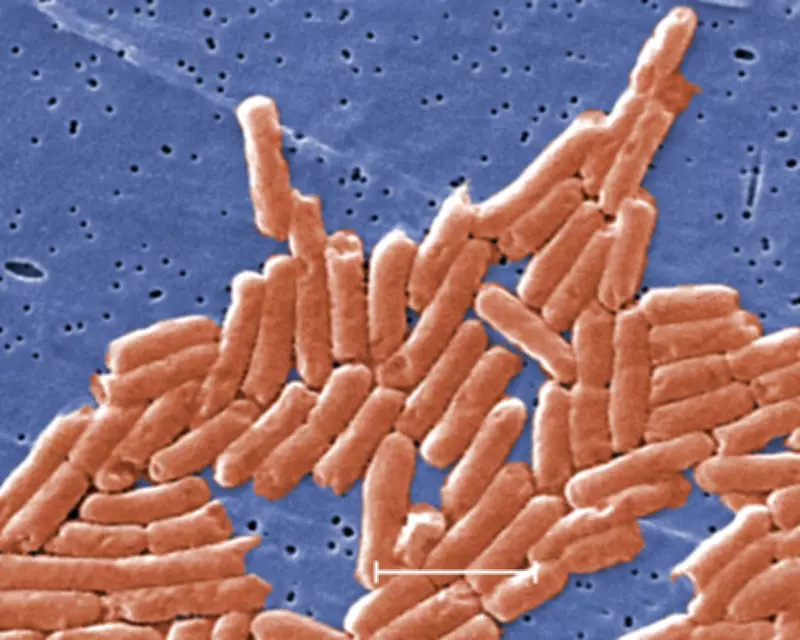
Rising temperatures and altered rain patterns amplify the antimicrobial resistance genes in pathogens such as salmonella, researchers have said in a new study. The climate crisis is accelerating a global increase in antibiotic resistance that poses a serious threat to human health, experts have stated, as figures show a rise in salmonella antibiotic-resistant genes.
Study Highlights Climate Link
Antibiotic resistance is one of the fastest-growing threats to global health, affecting people of any age in any country and already killing more than 1 million people a year, according to estimates. Now, a study led by researchers from the UK, France, Australia, Switzerland, and China has revealed how climate change is linked to rising antibiotic resistance in salmonella, one of the world's most common bacterial diseases.
Climate change is associated with a 10% global increase in salmonella antibiotic resistance genes between 1940 and 2023, according to the first-of-its-kind study published in the Lancet Planetary Health journal. The main drivers of antibiotic resistance remain the misuse and overuse of antibiotics, but the research suggests the problem is being worsened by climate change.

Key Findings
The study analysed the genomes of more than 480,000 salmonella samples from 139 countries collected between 1940 and 2023. Levels of antibiotic resistance genes were compared with changes in average temperature and rainfall over time. Using a model to study the relationship, researchers found that antibiotic resistance does not just increase steadily as temperatures rise; instead, the number of resistance genes changes in a more complicated way depending on both temperature and rainfall.
This suggests that environmental changes can speed up how bacteria adapt to antibiotics, according to the researchers. The study found that 82% of countries studied had increases in antibiotic resistance genes in salmonella. The strongest climate-associated increases were found in the Middle East and North Africa, followed by South Asia and sub-Saharan Africa.
Implications for Policy
The study provides "robust evidence" that climate change is associated with a heightened risk of antibiotic resistance. The authors wrote: "The accumulated evidence suggests that climate change is an accelerating force behind the global spread of antimicrobial resistance. Our findings provide supporting evidence that rising temperatures and altered precipitation patterns non-linearly amplify the abundance and dissemination of antimicrobial resistance genes in bacterial pathogens such as salmonella."
They added: "These findings reinforce the idea that climate change alters microbial ecological stability and accelerates resistance evolution across human, animal, and environmental reservoirs. Urgent integration of climate change-mitigation policies, particularly those aligned with the Paris Agreement, with enhanced antimicrobial stewardship and One Health surveillance is essential to curtail the future burden of antimicrobial resistance."
Antimicrobial resistance is mainly driven by the overuse and misuse of antibiotics, which allows resistant bacteria to survive and spread. However, rising temperatures and changing rainfall patterns can influence how bacteria survive, mutate, and spread, potentially increasing the exchange of antibiotic resistance genes. Previous studies have linked higher temperatures to greater levels of resistant bacteria, but until now global quantitative studies on the link have been limited.
Urgent Action Required
Urgent action, alongside responsible antibiotic use and improved disease surveillance, will be key to limiting the future spread of antibiotic resistance, the researchers added. Their study emphasised that combining climate change-mitigation efforts and antibiotic stewardship, such as adhering to low-emission scenarios, could effectively curb the dissemination of antimicrobial resistance genes and the rise in global antimicrobial resistance.