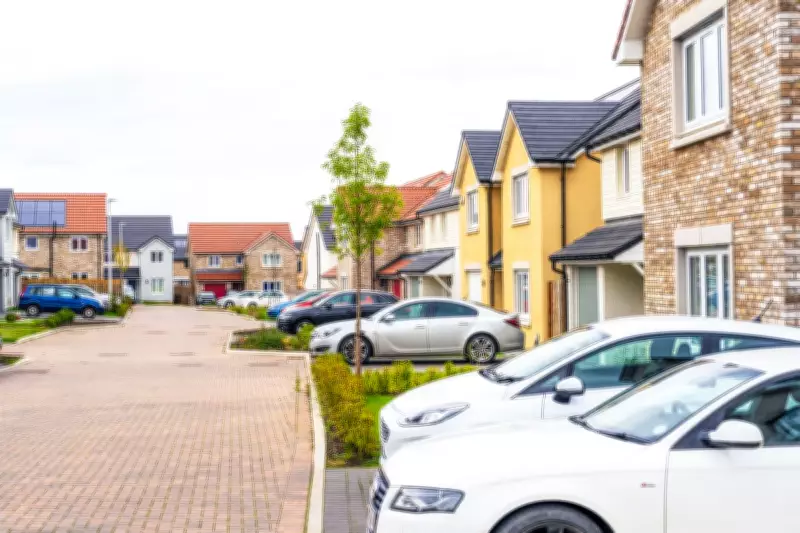
As winter storm season looms, a startling trend in UK urban landscapes is amplifying flood risks for countless households. New research reveals that approximately 54 per cent of front gardens across the nation have been concreted over, a significant increase from 46 per cent recorded in 1991. This widespread paving of green spaces is undermining one of nature's most effective defences against urban flooding.
The Critical Role of Gardens in Climate Adaptation
Gardens serve as vital green infrastructure in the battle against climate change impacts. They function as natural sinkholes, absorbing excess rainwater that would otherwise overwhelm drainage systems. During summer months, these green spaces help cool urban environments through plant transpiration, acting as nature's air conditioning system.
However, the rapid conversion of gardens to impermeable surfaces creates a dangerous combination with climate change. Urban areas now face dual threats: more intense rainfall patterns and reduced natural drainage capacity. According to recent data, at least one in six UK residents already lives with significant flood risk, with insurance claims related to extreme weather events steadily increasing.

The Alarming Scale of Garden Paving
A comprehensive report from the Royal Horticultural Society, published in late October, quantified the extent of this transformation. UK front gardens now contain approximately 89,000 hectares of paved or concreted space, compared to just 73,500 hectares that retain plant coverage. This represents a substantial loss of natural drainage capacity across urban landscapes.
On a broader European scale, estimates suggest that about 25,000 hectares of urban green space, including gardens, are sealed annually through urban expansion and the proliferation of impermeable surfaces.
How Green Spaces Prevent Flooding
Urban green infrastructure – encompassing gardens, parks, roadside verges and woodlands – plays multiple crucial roles in flood prevention:
- Plant canopies act as natural sponges, detaining and retaining rainwater
- Root systems redirect surface water to deeper, safer subsurface layers
- Transpiration processes pump tonnes of water back into the atmosphere daily
- Soil systems provide essential infiltration capacity for stormwater
The effectiveness of these natural systems is dramatic. In built-up urban areas, approximately 55 per cent of rainfall becomes surface runoff that can potentially enter homes. In contrast, green areas experience only about 10 per cent runoff, with the remainder being absorbed and dissipated by soil and vegetation.
Why Homeowners Are Paving Over Gardens
Several practical considerations drive the trend toward garden paving:
- The need for off-road parking spaces for family vehicles
- Requirement for flat surfaces to place waste bins
- Perceived ease of maintenance for paved areas
- Growing demand for electric vehicle charging proximity to homes
The rise of electric vehicles presents particular challenges, as homeowners often pave areas close to their houses to accommodate charging infrastructure, further reducing permeable surfaces near properties.
Innovative Solutions for Driveway Design
Fortunately, practical alternatives exist that allow homeowners to maintain vehicle access while preserving environmental benefits. Permeable lattice-framed blocks can support vehicle weight while allowing plants to grow through gaps, creating functional yet green driveways.
Gravel pathways and drives offer another effective solution, providing stable surfaces for parking while enabling plant growth around edges. These designs can incorporate colourful, pollinator-friendly plants that enhance biodiversity while managing stormwater.
Specialised Flood-Reduction Gardens
Some forward-thinking garden designs specifically target flood risk reduction. Rain gardens represent one such innovation, directing runoff from gutters, pavements and roads toward specially designed soak-aways. These features allow water to percolate gradually into soil, where plant roots help trap silt and deactivate pollutants from road surfaces.

Most homeowners understandably want convenient vehicle access, but creative design approaches can accommodate cars while maintaining environmental benefits. Driveways need not be sterile concrete expanses – they can incorporate permeability, plant life and aesthetic appeal while significantly reducing local flood risks.
As climate change continues to intensify rainfall patterns across the UK, rethinking our approach to garden and driveway design becomes increasingly urgent. The choices homeowners make about their outdoor spaces have far-reaching implications for urban flood resilience and environmental sustainability.