Doomsday Glacier Drilling Mission Ends in Failure After Instruments Become Trapped
A high-stakes scientific mission to drill into the most unstable and inaccessible part of Antarctica's Thwaites Glacier has ended in disaster, after crucial instruments became irretrievably stuck in the ice. Known ominously as the 'Doomsday Glacier', this massive river of ice is approximately the same size as the United Kingdom. Its potential collapse could trigger a catastrophic global sea level rise of 2.1 feet (65 centimetres).
International Team Forced to Abandon Critical Project
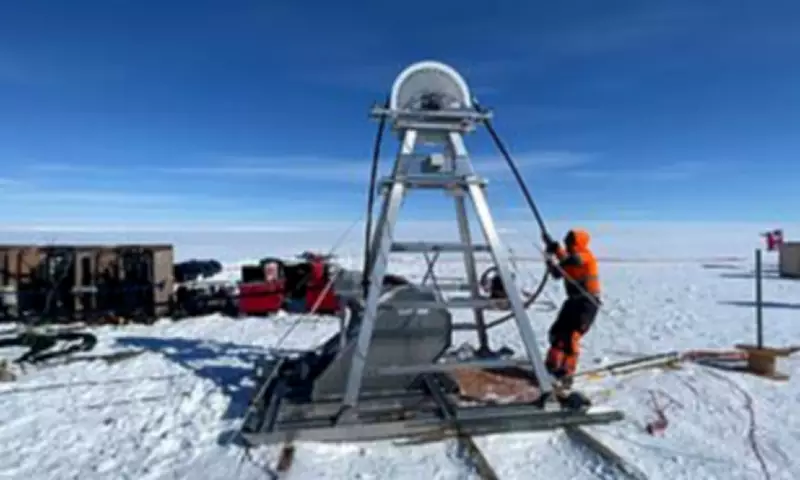
Scientists from the British Antarctic Survey (BAS) and the Korea Polar Research Institute (KOPRI) spent over a week camped on the treacherous ice, attempting to tunnel through to the glacier's underside. The ambitious project aimed to gather the first-ever direct measurements from beneath the glacier's main trunk, a remote and crevasse-riddled region that has eluded detailed study.
The research team employed a complex hot-water drill, injecting water heated to 80°C under high pressure to create a shaft 11.8 inches (30 centimetres) in diameter and approximately 3,280 feet (1,000 metres) deep. This technically demanding operation succeeded initially, allowing the deployment of temporary instruments that captured unprecedented data from beneath the ice.

Disaster Strikes During Mooring Deployment
The mission's critical phase involved lowering a sophisticated mooring system designed to sit beneath the ice for up to two years, relaying vital data via satellite. However, during the descent, the instrument package became trapped in the borehole. Researchers believe the shaft likely froze over or was deformed by the glacier's rapid movement, which can shift up to nine metres per day in certain areas.
Facing dangerous approaching weather, a dwindling supply of hot water needed to maintain the borehole, and an urgent deadline to evacuate before their research vessel departed Antarctica, the team had no choice but to abandon the equipment and the mission entirely. There was insufficient time or resources to drill a second shaft.
Narrow Window for Antarctic Fieldwork
The entire operation was conducted under extreme pressure within a narrow two-week window. After a three-week voyage aboard the research vessel Araon, scientists used a remotely operated vehicle to scout for hidden crevasses before establishing a safe camp location. Transporting all equipment required over 40 helicopter journeys across 18 miles of frozen terrain.
Dr Keith Makinson, a BAS oceanographer and drilling engineer, emphasised the inherent risks: 'Fieldwork in Antarctica always comes with risk. You have a very small window in which everything has to come together.' The extreme cold and shifting ice meant the borehole would seal shut within just 48 hours without constant maintenance using hot water.
Valuable Data Gathered Despite Setback
Despite the ultimate failure to install the long-term mooring, the mission was not entirely in vain. The temporary measurements revealed turbulent ocean conditions and relatively warm water beneath the glacier, capable of driving substantial melting at the ice base. This data represents a significant step forward compared to a failed 2022 attempt that could not even reach the location.
Professor Won Sang Lee, the chief scientist from South Korea, remained optimistic: 'This is not the end. The data show that this is exactly the right place to study, despite the challenges. What we have learned here strengthens the case for returning.'
Why the 'Doomsday Glacier' Matters
The Thwaites Glacier plays a pivotal role in stabilising the wider Antarctic Ice Sheet. Understanding its fate is critical for global climate projections. If the glacier continues its rapid retreat, it could trigger a domino effect, accelerating ice flow into the ocean with devastating worldwide consequences. Recent years have seen it become one of Antarctica's most rapidly changing and unstable glaciers.
Researchers stress that these latest observations, though incomplete, provide vital insights into the processes driving ice loss. The mission underscores both the immense challenges of polar research and the urgent need to understand the Thwaites Glacier before potential irreversible changes occur.