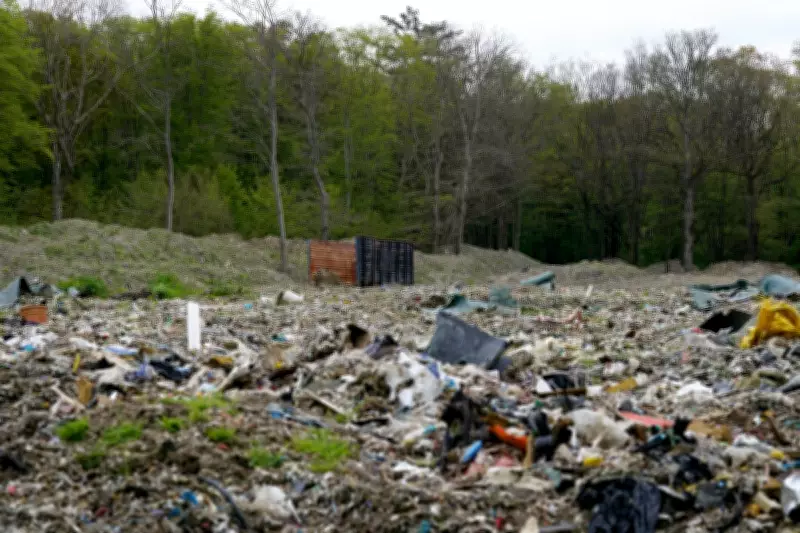
Environment Agency Deploys Drone Squad to Combat Illegal Waste Dumping
The Environment Agency has announced a major new initiative to tackle the growing problem of illegal waste dumping across the United Kingdom. A dedicated "drones squad" consisting of 33 specially trained pilots will be deployed to gather crucial evidence from the air, using advanced laser mapping technology to pinpoint illicit waste sites.
Advanced Technology for Environmental Enforcement
This aerial surveillance programme represents a significant escalation in efforts to track and prosecute environmental offenders. The 54 drones will be equipped with light detection and ranging (Lidar) technology, which fires millions of laser points per second towards the ground to create detailed, three-dimensional maps of illegal waste dumps.
Phil Davies, head of the Joint Unit for Waste Crime Unit, emphasised the importance of this technological approach: "With organised criminals becoming ever more sophisticated, we are adopting new technologies to find and, importantly, stop them. Illegal waste dumping is appalling, and we are determined to turn the tide on this heinous crime."

Multi-Faceted Approach to Waste Crime
In addition to the drone programme, the Environment Agency has developed sophisticated new screening tools to enhance enforcement capabilities. Officers will now be able to cross-reference lorry licence applications against existing waste permit records, allowing them to identify and target potential offenders before they begin operating.
The Joint Unit for Waste Crime has also expanded its specialist team from 13 to 20 members, who are collaborating closely with law enforcement agencies to dismantle organised crime networks involved in waste crime.
Escalating Problem and Government Response
These measures come as waste crime continues to escalate across the country, with high-profile cases generating widespread public anger. Notable incidents include:
- A 150-metre-long illegal dump discovered beside the A34 near the River Cherwell in Kidlington, Oxfordshire
- A staggering 30,000-tonne heap found within the protected Hoads Wood area in Ashford, Kent
Figures obtained under freedom of information laws reveal that approximately 517 waste tips were operating at the end of last year, including 11 "super sites." However, the Environment Agency has also ramped up enforcement action, shutting down 751 sites in a record year.
Increased Funding and Political Support
The new measures follow a significant increase in the Environment Agency's budget for waste crime enforcement, which has risen by more than 50% this year to £15.6 million. This financial boost enables the adoption of cutting-edge technology and expanded enforcement teams.
Environment Secretary Emma Reynolds stated: "This Government is aggressively pursuing waste criminals and bringing offenders to justice. From advanced laser mapping to drone surveillance and new vehicle scanning tools, this technology is helping us track, expose and stop waste crime, ensuring those who blight our communities are held to account."
Existing Drone Operations and Future Applications
The Environment Agency has already been operating drones from a dedicated aircraft, primarily for flood monitoring purposes, accumulating 272 hours of flight time since July last year. The integration of Lidar technology represents a strategic expansion of these aerial capabilities specifically for waste crime enforcement.
The detailed maps created by the drone-mounted Lidar systems will serve as admissible evidence in court proceedings against waste criminals, providing precise documentation of illegal dumping activities. This technological advancement, combined with strengthened partnerships and increased ground personnel, forms a comprehensive strategy to combat environmental crime across the UK.